 Find out what's involved



5 Virtual Event KPIs to Measure the Success of Online Exhibitions
The success of virtual exhibitions depends on aligning your event goals with the business goals of your exhibitors, sponsors, and attendees. Identifying the key performance indicators (KPIs) for event coordinators and organisers can ensure real-time tracking of these goals and assessing the return on investment.
With virtual events opening doors to anyone with an internet connection, the KPIs have evolved from mere registration and attendance statistics to the real demonstrable value your online trade show provides. Here are some crucial metrics to measure your virtual event’s success:
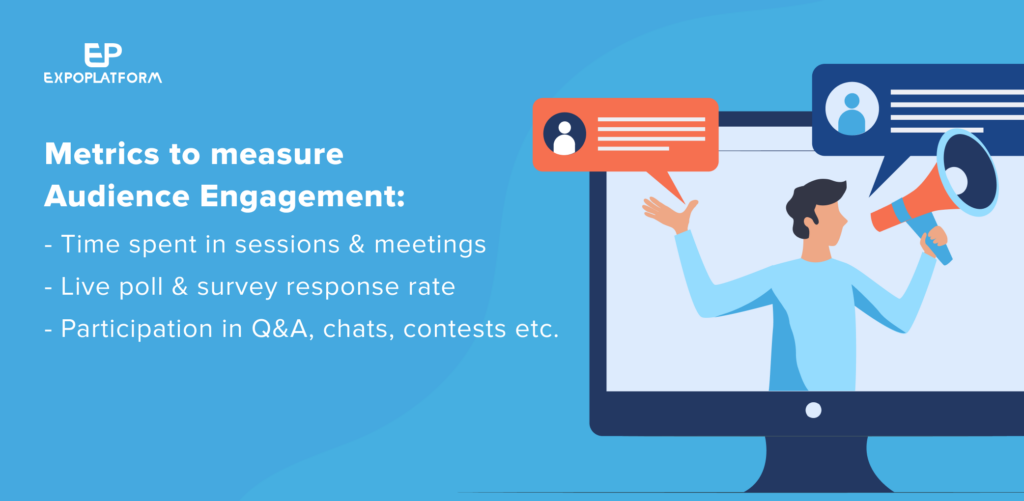
1. KPIs for Audience Engagement
Engagement has become a vital measurement in the virtual environment. A poorly structured virtual event with fatiguing content can be identified with lower time-spent in each session, and lesser attendee participation in Q&A sessions, live polls and other activities like quizzes and contests. Virtual event success metrics like total chat volume and messages sent can also reflect the level of audience engagement at the exhibition and whether the content and conversations were appealing enough.
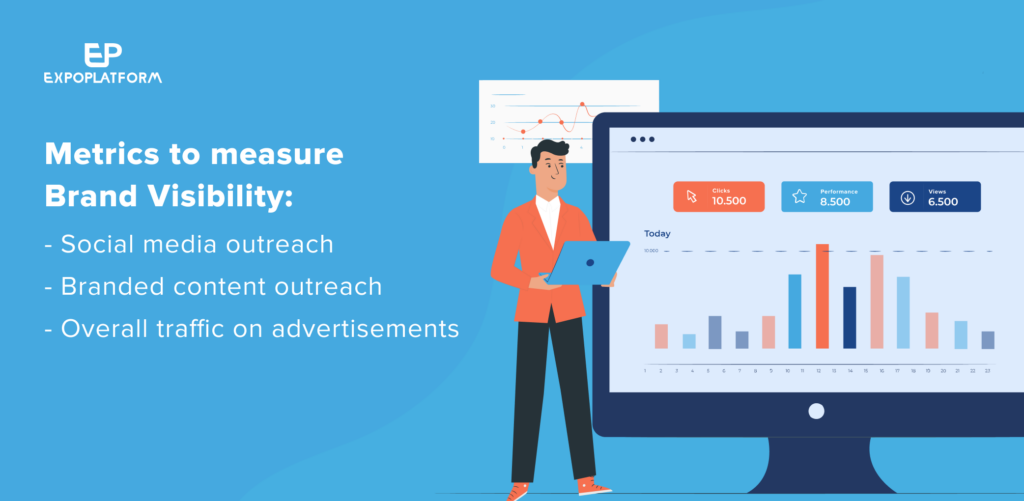
2. KPIs for Brand Visibility
Another major objective for your sponsors and exhibitors at virtual exhibitions is brand visibility and awareness. Using social listening tools, you can track the overall social media engagement (shares, mentions, likes, retweets, follower count). Another indicator can be the total reach of branded and sponsored content like emailers, sessions and virtual gift coupons. Tracking web search and direct traffic numbers on sponsors’ profile pages, banners and video ads also gives a clear idea of brand outreach.
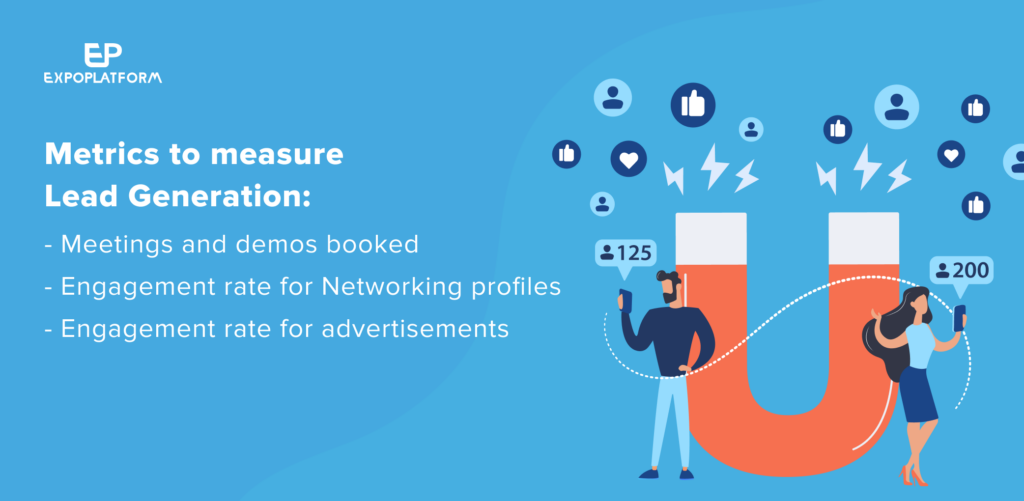
3. KPIs for Lead Generation
For potentially transactional events like exhibitions and trade shows, quality leads are perhaps the clearest indicator of success. Key metrics to evaluate the success of lead-generation activities are the number of meetings or demo appointments requested, the average meeting time and the average rating of those meetings. The total number of people engaging with networking profiles, banner ads, and promotional content through clicks, bookmarks, messages, visits or video views also helps qualify better leads.
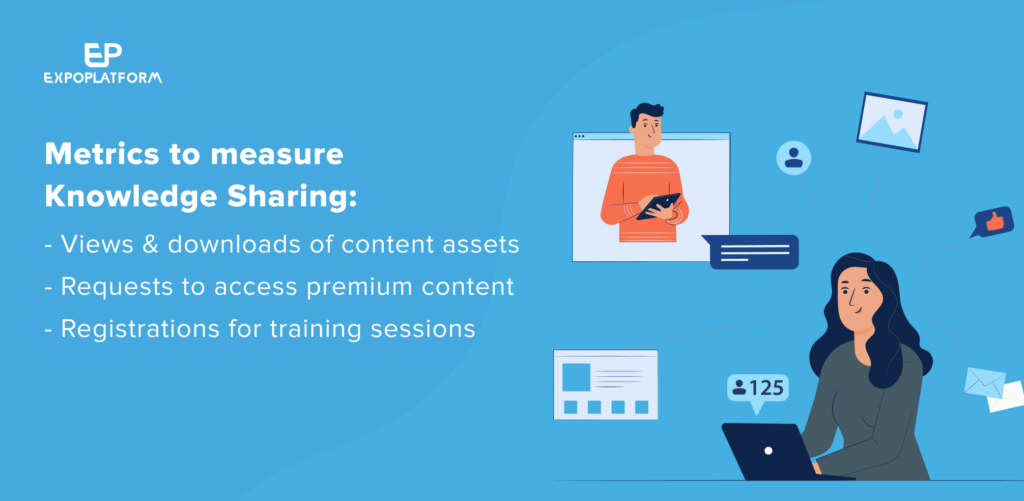
4. KPIs for Knowledge Sharing
High engagement with sponsor and exhibitor content is another key indicator of the virtual event’s success. This can be determined by the number of visits to the content hub, total downloads of company brochures, media, information and publications, and attendee requests to access premium content. You can also track how many attendees are registering for training sessions like webinars and live workshops, or have requested access to digital libraries and continuing education stores.
5. KPIs for Overall Satisfaction
A simple way to gauge the success of your event is to just ask your attendees, exhibitors and sponsors through post-event surveys and feedback. These satisfaction surveys can include questions about their experience with different sessions, virtual meetings, online navigation and whether the live stream worked smoothly. Based on their responses you can come up with a Net Promoter Score (NPS), identifying which participants are most likely to return to the next edition of the event and recommend it to their peers and colleagues.

Conclusion
The success of virtual exhibitions and trade shows ultimately depends on how much ROI they generate for their exhibitors and sponsors. Using the KPIs mentioned above, you can gather insight from your data and improve your next event to help the audience derive greater value from their investment.

There's more you might like

Cost per meeting – the number organisers can finally put next to Google
Footfall is no longer a number organisers can sell against digital channels, according to an events leader. Sharon Roessen, COO of Terrapinn, argues that the meeting is the only unit of event value that produces a figure a marketing director can compare with anything else they buy. Terrapinn runs around 90 events a year – ...

The evolving exhibitor playbook: why businesses have moved beyond the booth
The exhibitor strategy has remained relatively straightforward for decades. They invest in a stand, attract attendees and hope that leads convert into real opportunities. That model is now obsolete and the exhibitor approach to events has fundamentally changed. In the following guide we will explore: What was the traditional exhibitor approach to events and why ...

Jordan Yeates joins ExpoPlatform in new role
Jordan Yeates has joined event technology provider ExpoPlatform as its new Director of Engagement and Commercialisation. The appointment represents a significant step forward in the company’s goal to help clients elevate their event experiences and maximise digital ROI. Jordan makes the transition to the technology provider from major event organiser IMEX Group, where he previously ...