 Find out what's involved



Software for event registration: what it should do before, during and after the form
Every organizer knows the feeling of watching registrations crawl along for months, then surge in the final fortnight.
B2B exhibition attendance up was up 4.7% in 2025 but the CEIR Index still 6.4% below 2019 levels, according to the Center for Exhibition Industry Research (CEIR), every one of those registrations counts.
In most cases the registration form was never the problem – what looks like late registration is really late decision-making.
That changes the brief for software for event registration.
Its job is not only to record a decision once it’s made, but to help people reach that decision sooner, then turn what they share into value for everyone else at the show.
This guide covers:
- What software for event registration should actually do
- Why people abandon registration forms
- How registration can help attendees make the case to attend
- Which questions are worth asking
- How to turn registrants into promoters
- How to handle cancellations and late registrants
- How to choose the right platform
What should software for event registration actually do?
Good registration software records who is coming – great registration software shapes who comes and what happens once they arrive.
Any platform can publish a form, take a payment and send a confirmation email.
That is the minimum – the real value sits either side of the form.
Before this, registration is often the first proper interaction someone has with an event, so it should make the decision to attend feel easy and well informed.
After it, the data people share should flow into everything else the organizer runs: badges, the event app, matchmaking, session recommendations, exhibitor lead capture and post-show reporting.
When registration sits in its own silo, the same attendee ends up answering the same questions three times and the organizer never gets a single view of who was at the show.
Why do people abandon registration forms?
People rarely abandon because they’ve changed their mind – they abandon because the form gives them a reason to stop.
Someone who reaches a registration page has already done the hard part.
They have heard about the event, judged it worth a look and clicked through.
Losing them at that point is the most expensive drop-off in the whole marketing funnel – the budget spent getting them there is already gone.
Trade show registration forms are often longer than they need to be, built up over years as each team adds the questions it wants.
The usual culprits are familiar:
- Too many questions on one page – splitting a long form into short, logical steps feels quicker, even when the total is the same.
- Fees that appear late – booking or service charges that only show up at the payment step undermine trust.
- Forced account creation – let people register first and set a password afterwards.
- Desktop-only design – many registrations start on a phone, often from an email or social post.
Every question should earn its place. If nobody will use the answer, it should not be on the form.
How can software for event registration help attendees make the case to attend?
Most attendees have to convince someone else before they can say yes, so give them what they need to do it.
Most attendees need sign-off from a manager or budget holder and that conversation takes time.
This is a big part of why decisions, and therefore registrations, arrive late – registration can shorten that gap.
A pre-written “justify your attendance” letter, a personal agenda attendees can build and share or a preview of the types of companies exhibiting all give someone the evidence they need to win approval.
Letting people explore the programme and save sessions before they commit turns early interest into a reason to register.
Which registration questions are worth asking?
Ask the questions that power something later and drop the ones that don’t.
Registration data is the raw material for much of what makes an event valuable.
Job function and seniority feed matchmaking. Product interests drive session and exhibitor recommendations in the event app.
Purchasing authority and buying timescales travel with the badge into exhibitors’ lead retrieval, so stand staff know who they are talking to before the conversation starts.
Exhibitors are asking for exactly this.
Well-designed registration questions are how organizers deliver it, with audience profiles they can share before the show and results they can prove after it.
How do you turn registrants into promoters?
Your registered attendees are already your best marketing channel.
CEIR found that organizers who track Net Promoter Score reported better revenue outcomes in 2025.
Registration software should make recommending the event as easy as possible.
A share prompt on the confirmation page, a personal referral link in the confirmation email and a simple way to register colleagues as a group all turn one registration into several.
This matters more as event marketing changes.
87% of exhibition companies now use AI, according to UFI’s Global Exhibition Barometer, and as more marketing becomes automated a personal recommendation from a colleague stands out.
Word of mouth – in whatever form – carries more weight than another paid campaign.
How should you handle cancellations and late registrants?
Flexible policies bring registrations forward. Rigid ones push them back.
Allowing free name substitutions, so a colleague can take an unused place, removes much of the risk of committing early.
Late registrants will still come, so plan for them.
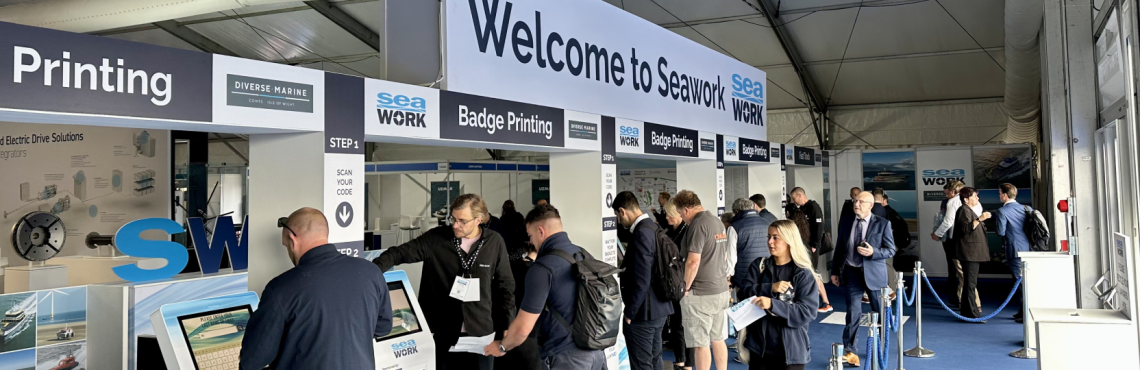
Self-service registration and on-site badge printing keep queues down when a last-minute surge arrives and the same journey and questions should apply whether someone registers months ahead or at the door.
How do you choose the right software for event registration?
Judge it on what happens to the data after someone clicks submit.
Feature lists for registration platforms tend to look alike.
The differences show up in how well the platform connects to the rest of the event.
When comparing options, ask:
- Does registration data flow straight into badges, the event app, matchmaking and exhibitor lead capture, without exports and re-uploads?
- Is the form fast and easy to complete on a phone?
- Can attendees transfer places, register colleagues and share the event?
- Are automated emails triggered by what each person does, not just sent in bulk?
- Can you report on registrations in real time, by audience and source?
- Is it secure enough for the personal data you’ll hold?
ExpoPlatform’s online registration is built into the same platform as matchmaking, the event app and lead retrieval.
Organizers can create multi-step journeys with conditional logic for each audience, trigger automated emails from attendee actions and design badges for every role.
Registration data then flows into everything else at the show without being exported or re-entered.
Book a demo with ExpoPlatform to see how software for event registration can bring decisions forward at your next show.
There's more you might like

Event registration software: Your complete buyer’s guide to choosing the best tech solutions
This guide gives a clear, practical overview of registration technology — how it works, the features that matter, typical pricing approaches and how these tools support different event formats. As organizers juggle registrations, ticketing and attendee engagement, knowing what these platforms can do helps you pick the right solution for your goals. For comprehensive event ...
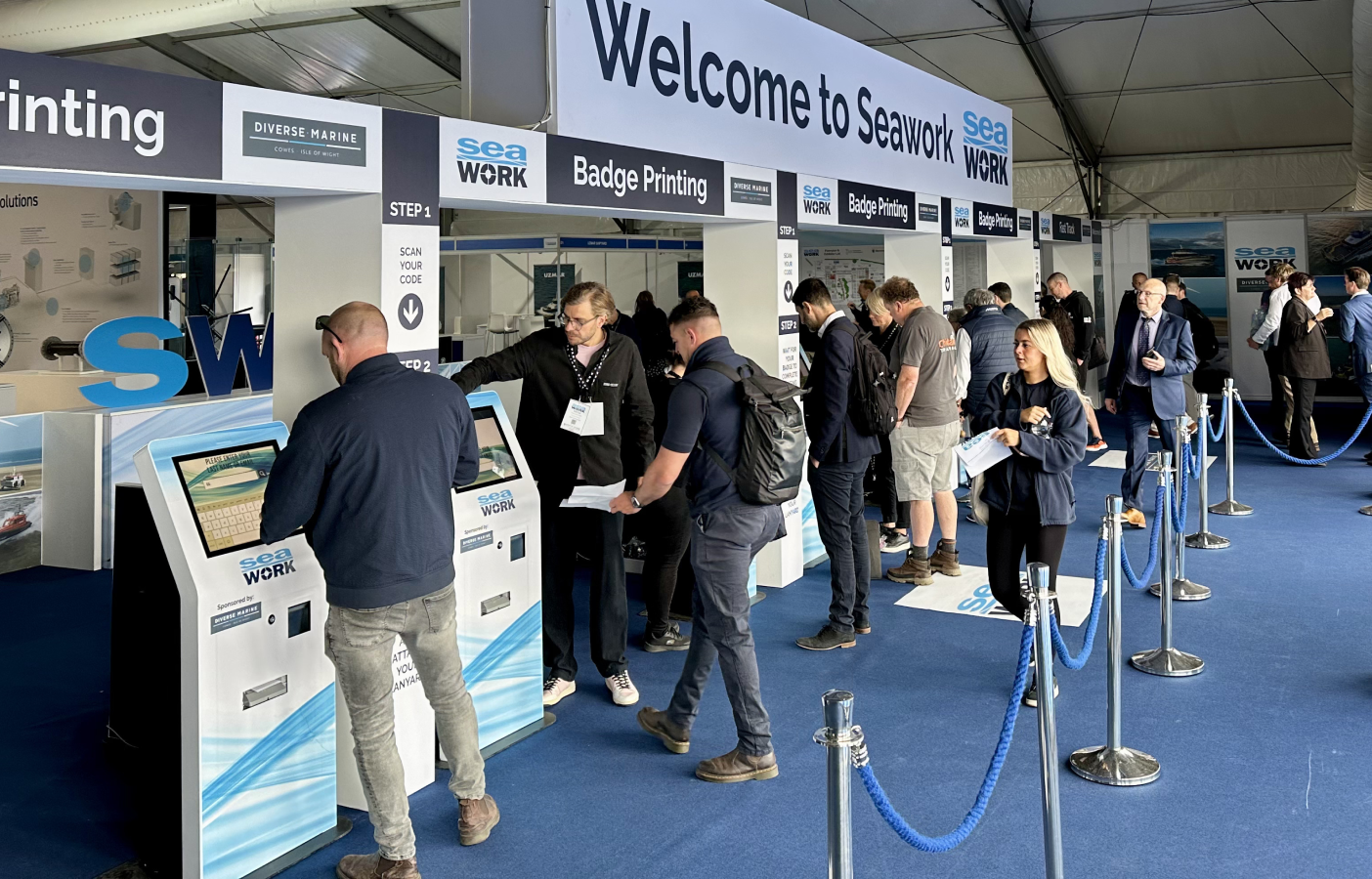
Event check-in & badge printing solutions: streamline registration and simplify attendee management
In today’s fast-moving events landscape, fast, reliable check-in and badge printing are essential to a great attendee experience. These systems speed up registration, reduce friction, and free teams to focus on high-value work. This piece outlines the core features and benefits of modern check-in and badge-printing tools, and shows how they can reshape event operations. ...

How to increase event attendance: 15 proven event marketing tactics to boost turnout
Event attendance can make or break an exhibition, tradeshow or expo. You might have a standout exhibitor list, a great venue and a packed agenda — but without the right people in the room, the event can’t deliver meaningful value. For event organizers, increasing turnout isn’t just about selling more tickets. It’s about attracting qualified ...