 Find out what's involved


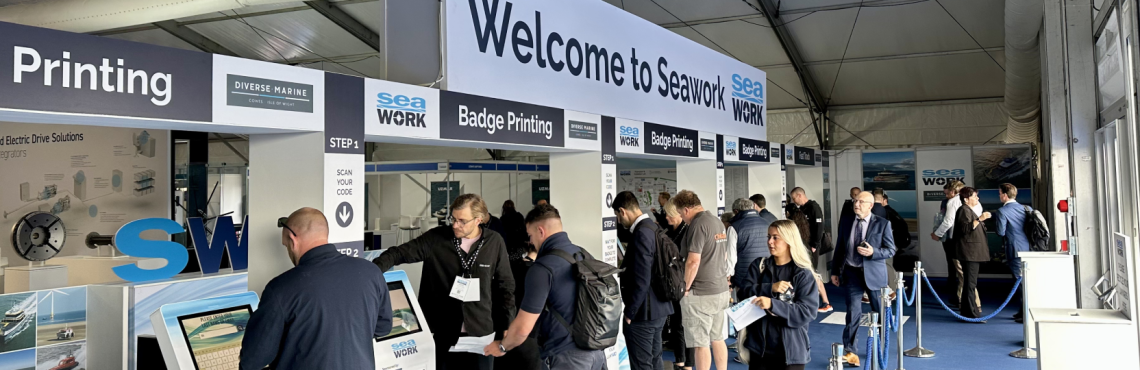
Event check-in & badge printing solutions: streamline registration and simplify attendee management
In today’s fast-moving events landscape, fast, reliable check-in and badge printing are essential to a great attendee experience.
These systems speed up registration, reduce friction, and free teams to focus on high-value work.
This piece outlines the core features and benefits of modern check-in and badge-printing tools, and shows how they can reshape event operations.
Long lines and confused guests undermine an event’s energy — the right technology helps organizers remove those pain points and deliver a smooth, welcoming entry for every participant.
We’ll cover key features, practical rollout tips and the role AI plays in automating routine tasks.
Key features:
Check-in and badge-printing platforms bundle capabilities that speed up and improve registration accuracy.
Common features include self-serve badge printing, customizable badge designs, tight integration with existing systems, online registration and dedicated on-site support.
Together, these elements create a faster, more user-friendly experience for attendees and staff alike.
Self-serve badge printing
Self-serve badge printing lets attendees collect their own badges on arrival, cutting queues and lowering staff load.
Kiosks and on-demand printers let guests check in quickly and independently, improving throughput and satisfaction.
Modern solutions also use web apps and QR codes to speed check-in further, reducing physical lines and simplifying verification.
Customizable badge and kiosk design
Custom badge and kiosk styling let organizers reflect event branding while improving usability.
On-demand printing also reduces waste from pre-printed badges, helping make events greener.
Personalized badges help attendees feel seen and connected from the moment they arrive.
Seamless integration
Native connections to your registration, CRM and analytics tools keep attendee data current and usable across platforms.
Real-time syncs reduce manual updates, help teams coordinate on-site, and give a clearer single source of truth for attendee operations.
Online registration
Online registration gives participants a simple, accurate way to sign up before they arrive.
It reduces manual data entry errors and speeds up on-site check-in because attendee records are already complete and verified.
On-site support
Having trained on-site staff ensures fast resolution of hardware or access issues and smooths any exceptions that occur.
Skilled support preserves flow, protects the attendee experience, and gives organizers confidence on the day.
Benefits:
Adopting modern check-in and badge printing systems delivers clear gains: happier attendees, leaner operations and support for sustainability efforts that matter to many participants.
- Enhanced attendee experience: Faster, clearer entry reduces friction and leaves attendees ready to engage.
- Reduced operational costs: Automation cuts staffing needs and simplifies logistics, lowering event overhead.
- Support for sustainability: On-demand printing and eco-conscious materials help reduce waste and meet attendee expectations for greener events.
Effective implementation strategies:
Rollouts succeed when organizers combine good communication, practical training and post-event learning.
These three areas keep technology working for people, not the other way around.
- Pre-event communication: Tell attendees what to expect, how to check in, and which tools to use — clear guidance reduces confusion on arrival.
- Staff training: Well-trained staff diagnose and resolve issues quickly, making the technology invisible to attendees.
- Feedback collection: Post-event surveys and usage data reveal what worked and where to improve for the next edition.
What are the key features of AI-powered event check-in software?
AI-enabled check-in systems add automation, smart personalization and advanced integrations.
Expect workflow automation to reduce manual steps, content recommendations to boost engagement and connectors to centralize attendee data for rapid decision-making.
How does AI automate attendee registration and check-in processes?
AI maps personalized registration paths, pre-fills fields and speeds verification to accelerate arrivals.
It also provides real-time analytics, enabling organizers to rebalance staff and resources on the fly based on crowd movements and throughput.
Which technologies enhance event badge printing systems?
Key technologies include self-serve kiosks, on-demand printing, mobile and web check-in apps, and integrations with event platforms.
Together, they shorten lead times and make badge distribution predictable and fast.
How do badge printing solutions improve visitor management and event efficiency?
Badge systems remove bottlenecks at entry points, improving guest flow and reducing congestion.
Personalized badges strengthen the attendee experience, while automated processes cut staffing pressure and deliver cost savings.
How does real-time analytics support attendee monitoring?
Real-time analytics surface crowd trends, dwell areas and throughput so teams can react immediately — redirect staff, open extra lanes or adjust programming.
Post-event reports then guide continuous improvements for future editions.
What integration capabilities should event professionals expect from check-in platforms?
Professionals should expect robust native integrations with CRMs, registration engines, marketing stacks and analytics platforms, plus open APIs for bespoke workflows.
Those connections enable richer attendee profiles and smoother operations.
How do event check-in systems integrate with existing management software?
Integration usually happens through native connectors or APIs that synchronize registration, payment and attendee data in real time.
The result is a unified workflow that reduces duplicate entry and speeds up setup.
What are the scalability options for large exhibitions and conferences?
Scalable platforms offer modular features that grow with the event: additional kiosks, distributed print points, real-time sync across sites and load-balanced services to handle spikes. These options keep even the largest exhibitions running efficiently.
How can event organizers evaluate and implement effective check-in and badge printing solutions?
Start by defining event goals and peak attendee flows, then compare vendors on feature fit, integrations, support and scalability. Pilot key workflows before go-live and prioritize partners that provide clear on-site support and measurable outcomes.
Comparing market leaders: Grip and ExpoPlatform
Grip and ExpoPlatform both lead the market but target slightly different needs. Each offers a powerful mix of check-in, badge printing and attendee engagement features tailored for modern events.
Feature | Grip | ExpoPlatform |
Core Functionality | AI-powered matchmaking, attendee networking, check-in, badge printing | Comprehensive event management, check-in, badge printing, scalable meeting formats, advanced AI matchmaking |
Integration | CRM, marketing automation, analytics platforms | CRM, registration systems, marketing tools, analytics |
Customization | Customizable badges, event branding, personalized agendas | Custom badge designs, branded kiosks, flexible event layouts |
Scalability | Suitable for mid-size to large conferences and exhibitions | Designed for events of all sizes, with a particular focus on large-scale exhibitions |
Market Positioning | Leader in AI-driven attendee engagement and networking | Comprehensive platform for large events with scalable meeting formats and advanced AI matchmaking |
Use cases for Grip and ExpoPlatform
Grip
- Industry conferences prioritizing networking and AI matchmaking
- Trade shows need efficient check-in and personalized attendee journeys
- Corporate events focused on data-driven engagement and analytics
ExpoPlatform
- Large-scale exhibitions with complex badge printing and check-in requirements
- Events that require scalable meeting formats and sophisticated AI matchmaking
- Shows demanding strong branding control and flexible floor plans
Case studies: Grip and ExpoPlatform
Grip case studies
- Yotta: Grip’s integrated platform delivered a low-friction registration and onboarding flow, supporting rapid growth and centralizing attendee data. The streamlined entry point helped organizers scale efficiently and feed rich data into engagement tools. Yotta achieved 200% year-over-year attendance growth and scaled to over 3,300 attendees.
- HumanX: Grip’s registration captured detailed attendee profiles, powering AI matchmaking and personalized journeys from day one. With complete attendee data from the start, the platform enabled immediate, high-value networking — producing over 19,000 connections on the first day.
ExpoPlatform case studies
- The Meetings Show: ExpoPlatform delivered a low-friction registration and onboarding experience that drove more than 71% of attendees to activate their accounts, letting users access agendas, messaging and AI matchmaking immediately. The smooth flow helped the event reach 120% of its meeting targets and facilitated over 32,000 meetings.
- Security & Policing: ExpoPlatform’s integrated registration captured structured attendee data at entry, powering the whole event experience. By linking registration to networking, exhibitor tools and mobile access, attendees engaged more effectively — resulting in a 47% increase in conversations compared to the prior edition.
Conclusion
Advanced check-in and badge-printing systems reduce queues, reduce operational friction and support sustainability goals — all while improving the guest experience. Choosing the right platform and implementing it thoughtfully ensures a seamless arrival that sets the tone for the whole event. Find out how our solutions can transform your next event.

There's more you might like

Event registration software: Your complete buyer’s guide to choosing the best tech solutions
This guide gives a clear, practical overview of registration technology — how it works, the features that matter, typical pricing approaches and how these tools support different event formats. As organizers juggle registrations, ticketing and attendee engagement, knowing what these platforms can do helps you pick the right solution for your goals. For comprehensive event ...

How to increase event attendance: 15 proven event marketing tactics to boost turnout
Event attendance can make or break an exhibition, tradeshow or expo. You might have a standout exhibitor list, a great venue and a packed agenda — but without the right people in the room, the event can’t deliver meaningful value. For event organizers, increasing turnout isn’t just about selling more tickets. It’s about attracting qualified ...
Event registration best practices: How to choose and optimize online ticketing and check-in solutions
Smooth, secure registration is the backbone of every successful event. The right ticketing and check-in setup speeds entry, boosts conversions and cuts operational overhead — all while improving the attendee experience. This guide outlines practical best practices for registration: the must-have features, workflow improvements, and security controls you should prioritize. We also compare reliable online ...