 Find out what's involved


How to increase event attendance: 15 proven event marketing tactics to boost turnout
Event attendance can make or break an exhibition, tradeshow or expo. You might have a standout exhibitor list, a great venue and a packed agenda — but without the right people in the room, the event can’t deliver meaningful value.
For event organizers, increasing turnout isn’t just about selling more tickets. It’s about attracting qualified attendees, keeping them engaged before the show and giving them a clear, compelling reason to attend in person.
In this guide, we outline 15 proven event marketing tactics to help you boost attendance, improve registration quality and drive stronger outcomes for exhibitors, sponsors and attendees.
Why event attendance matters
Solid attendance creates value across the entire event ecosystem: exhibitors meet more potential buyers, sponsors get greater visibility and attendees benefit from richer networking and product discovery.
For exhibitions, tradeshows and expos, foot traffic and audience quality are central to value. A successful attendance strategy doesn’t just aim for higher headcount — it targets the right audience, communicates a convincing reason to attend and keeps registrants engaged through to event day.
15 proven event marketing tactics to increase event attendance
1. Define your ideal attendee profile
Before you promote the event, be specific about who you want to attract. Broad outreach can raise awareness, but targeted campaigns bring attendees who matter to exhibitors and sponsors.
For example, a manufacturing expo might pursue procurement managers, plant directors, engineers, distributors and suppliers. A retail tradeshow may focus on store owners, buyers, brand managers and e‑commerce leaders.
The clearer your audience picture, the easier it is to craft messaging, pick channels and create offers that drive registrations. Rather than marketing to “industry professionals,” speak to each group and the outcomes they care about.
2. Build a compelling event value proposition
Attendees come when the value is obvious. Your event page, ads, emails and social posts should answer one simple question quickly: “Why should I attend?”
A strong value proposition explains what attendees will gain — whether that’s meeting new suppliers, learning from industry leaders, attending expert sessions, comparing products in one place or uncovering business opportunities.
Avoid vague phrases like “Join the leading industry event.” Be specific: “Meet 300+ packaging suppliers, compare live product demos and find cost‑saving solutions in two days.” Clear, outcome‑driven messaging is one of the easiest ways to increase attendance.
3. Create an optimized event landing page
Your landing page is a primary conversion tool. It should be clear, persuasive and frictionless: visitors must instantly know what the event is, who it’s for, when and where it happens and why they should register.
For exhibitions and tradeshows, show the attendee experience: exhibitor categories, speaker highlights, agenda snippets, venue details, testimonials and registration info. If you have strong attendance figures, notable sponsors or major brands involved, make those proof points visible.
Most importantly, make the registration CTA impossible to miss. A visitor should never have to hunt for the next step.
4. Use early bird registration campaigns
Early bird campaigns create urgency and get people to commit sooner, helping you build momentum, improve attendance forecasting and reduce last‑minute pressure.
The incentive doesn’t always need to be a discount. Offer VIP access, exclusive networking, limited add‑ons, group rates or priority workshop access. The goal is to give a real reason to act before the deadline.
Promote early bird offers across email, paid ads, social, partner channels and exhibitor networks. Use countdown messaging as the deadline approaches to convert on-the-fence prospects.
5. Segment your email marketing
Email is still one of the most effective channels, but generic blasts rarely perform. Segmentation lets you send more relevant messages to each audience group.
Past attendees will want to know what’s new. First‑time prospects may need a stronger introduction. VIP buyers respond better to personalized networking invitations. People who started but didn’t finish registration may need a timely reminder.
Tailor emails by attendee type, interest, behavior and stage in the registration journey — it’s how you move from broad awareness to qualified signups.
6. Promote high-value speakers, exhibitors and sessions
Speakers, exhibitors and sessions drive attendance. Attendees want to know who they’ll learn from, which companies they’ll meet and what they’ll miss by not attending.
For conferences, keynote speakers and panels are big draws. For exhibitions, major brands, product launches, live demos and hands‑on showcases can be equally powerful.
Announce confirmed highlights as they come in and keep building excitement as the event approaches — don’t wait until the full agenda is locked in.
7. Use social proof to build trust
People are more likely to register when they see others value the event. Social proof reduces hesitation and boosts credibility, especially for first‑time attendees.
Show testimonials, exhibitor success stories, photos and videos from past events, sponsor logos, media coverage and attendance figures. Specifics like “Last year, 8,000+ industry professionals attended, with 72% involved in purchasing decisions” make the event’s value tangible.
Concrete examples of success are far more persuasive than vague praise.
8. Launch a multi-channel promotion plan
Don’t rely on a single marketing channel. Attendees discover events via email, LinkedIn, Google search, retargeting ads, industry newsletters, partner promos and direct outreach.
A multi‑channel approach creates repeated visibility. Someone might first see a LinkedIn post, then get an email, then click a retargeting ad before registering. Each touchpoint reinforces the event’s value.
Choose channels where your target audience already spends time. For B2B exhibitions, LinkedIn, industry media, email, associations and sales outreach often perform best. The goal is consistent, relevant presence — not being everywhere at once.
9. Partner with industry associations and media
Associations, trade publications and industry communities help you reach a highly relevant audience. These partners are especially valuable for niche exhibitions and B2B expos where trust matters.
Partnerships can include newsletter placements, sponsored content, webinars, member discounts, speaker slots or co‑branded research. Because these partners already have established relationships, their endorsement helps your event stand out.
Partner promotion is not just about reach — it’s about credibility. A respected industry voice recommending your event makes attendance feel like a safer, more valuable choice.
10. Turn exhibitors and sponsors into promoters
Exhibitors and sponsors want strong attendance too. Make it easy for them to promote the event by giving ready‑to‑use assets.
Provide email copy, social graphics, custom registration links, discount codes and booth announcement templates. When sponsors share their participation with engaged audiences, you get highly qualified registrations.
You can also incentivize promotion by recognizing top promoters or offering extra visibility to active partners.
11. Use retargeting ads to convert interested visitors
Many visitors will leave your site without registering. Retargeting ads bring them back while the event is still top of mind.
Retarget visitors who viewed the landing page, abandoned registration, clicked emails, attended past events or watched your videos. These audiences are already interested and more likely to convert.
Make retargeting creative specific: highlight early bird deadlines, new speakers, major exhibitors or limited networking opportunities. A generic “register now” ad is less persuasive than a message tied to a clear reason to act.
12. Create event content before the event
Pre‑event content builds interest and positions the event as a key industry moment. It gives prospects useful context while supporting SEO, email and social promotion.
Examples: a construction expo publishing “Top Building Technology Trends to Explore at This Year’s Expo,” or a food tradeshow sharing exhibitor spotlights, buyer guides or short interviews with speakers. This content helps attendees understand what they’ll learn, who they’ll meet and why the event matters to them.
Good pre‑event content does more than advertise — it educates and primes prospects to register.
13. Make networking a major selling point
For many B2B attendees, networking is the primary reason to attend. If your event facilitates valuable connections, make that central to your marketing.
Promote matchmaking programs, hosted buyer initiatives, VIP lounges, roundtables, after‑hours receptions and app‑based meeting scheduling. These features help attendees justify the time and travel.
Present networking as structured and outcome‑driven, not accidental. The clearer you show how attendees will meet the right people, the stronger your attendance strategy becomes.
14. Reduce registration friction
Complicated registration quietly hurts attendance. Interested visitors will abandon long forms, unclear pricing or mobile‑unfriendly pages.
Simplify the registration journey: ask only for essential information, make pricing and ticket options transparent and send immediate confirmations. Include calendar links, travel details and clear next steps to reinforce commitment.
Every extra step increases drop‑off risk. A smoother registration experience improves both signups and actual turnout.
15. Nurture registrants until event day
Registering is one thing — showing up is another. Keep attendees engaged from registration through event day to maximize turnout.
Early communications should highlight speakers, exhibitors, sessions and networking opportunities. As the date approaches, shift to practical updates: travel and parking info, app instructions, badge pickup details and reminder checklists.
Consistent, useful updates significantly increase the likelihood that registered attendees will actually attend.
Track the right event attendance metrics
Measure how people discover, register for and attend your event so you can improve future campaigns. Track website traffic, landing page conversion, email engagement, registration source, cost per registration, no‑show rate, attendee type, session attendance and returning attendee rate.
The point isn’t tracking data for its own sake — it’s to identify which channels, messages, partnerships and offers deliver the best turnout. Those insights make your marketing smarter over time.
Common mistakes that hurt event attendance
Even strong events can underperform with weak marketing. One common error is starting promotion too late — many attendees need time for travel, budget approval and calendar planning.
Another mistake is relying on one-size-fits-all messaging. If every audience segment gets the same email or ad, you risk missing the specific motivations of buyers, executives, suppliers or first‑time visitors.
Don’t treat registration as the finish line. Without reminder campaigns, practical updates and ongoing engagement, some registrants will lose interest or forget to attend. Increasing attendance requires attention at every stage, from awareness to event‑day arrival.
Final thoughts
Increasing event attendance isn’t a single tactic — it’s a system. Attract the right audience, communicate clear value, create urgency and keep people engaged through to the event.
For exhibitions, tradeshows and expos, the most effective strategies combine targeted promotion, strong partnerships, exhibitor engagement, compelling content and a smooth registration experience.
When you understand your audience and give them a clear reason to attend, you can lift turnout, improve event ROI and create a better experience for attendees, exhibitors and sponsors alike.
There's more you might like
Exhibitor management systems: top platforms for smoother events and trade shows
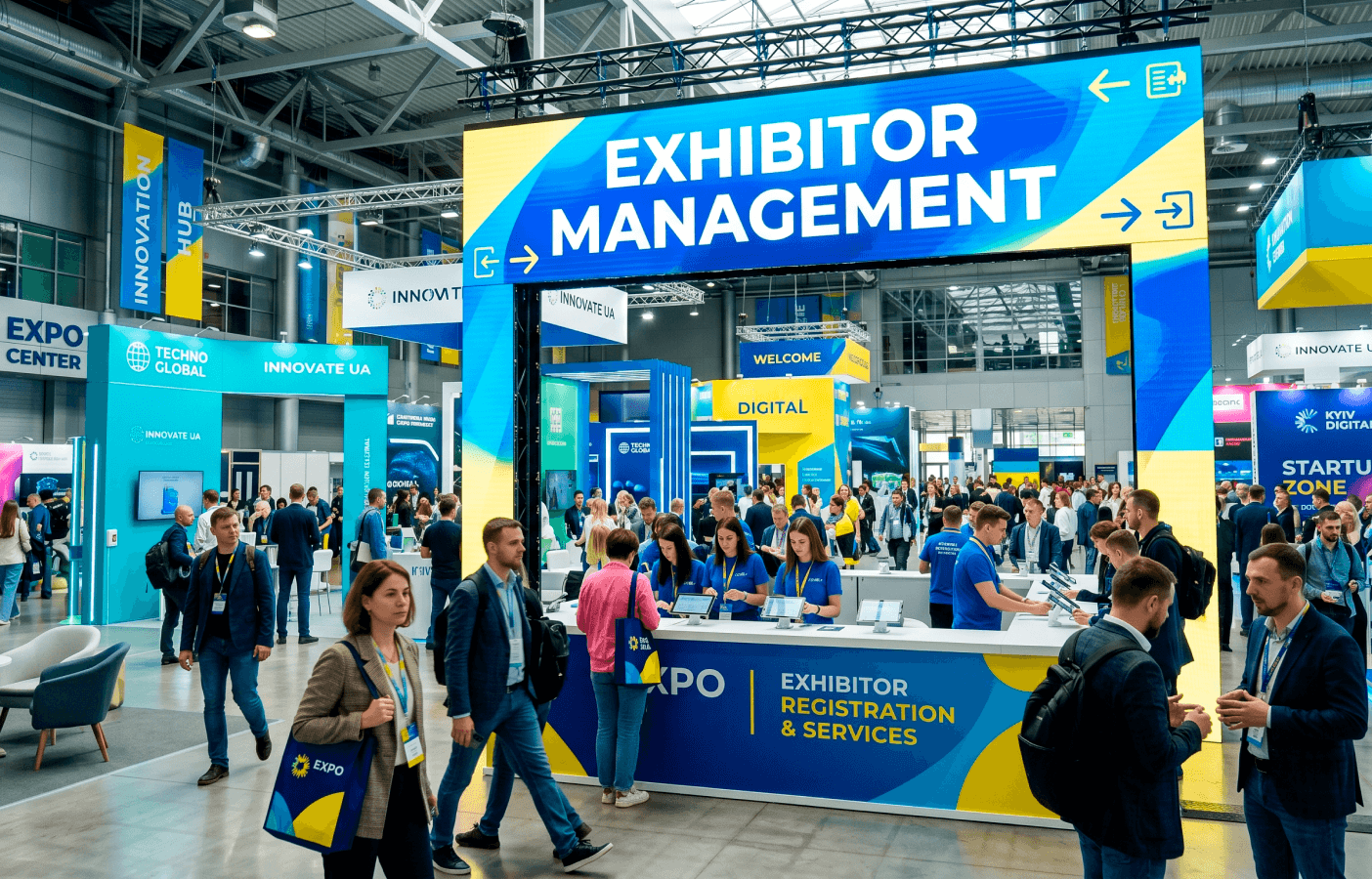
Exhibitor management systems (EMS) are indispensable for event organizers who want to simplify the many moving parts of trade shows and conferences. These platforms centralize tasks like registration, booth assignments and lead capture, reducing manual work and improving the experience for organizers and exhibitors alike. Below, we review the best exhibitor management platforms available in ...
What are the main advantages of ExpoPlatform’s trade show, exhibition and conference solutions?
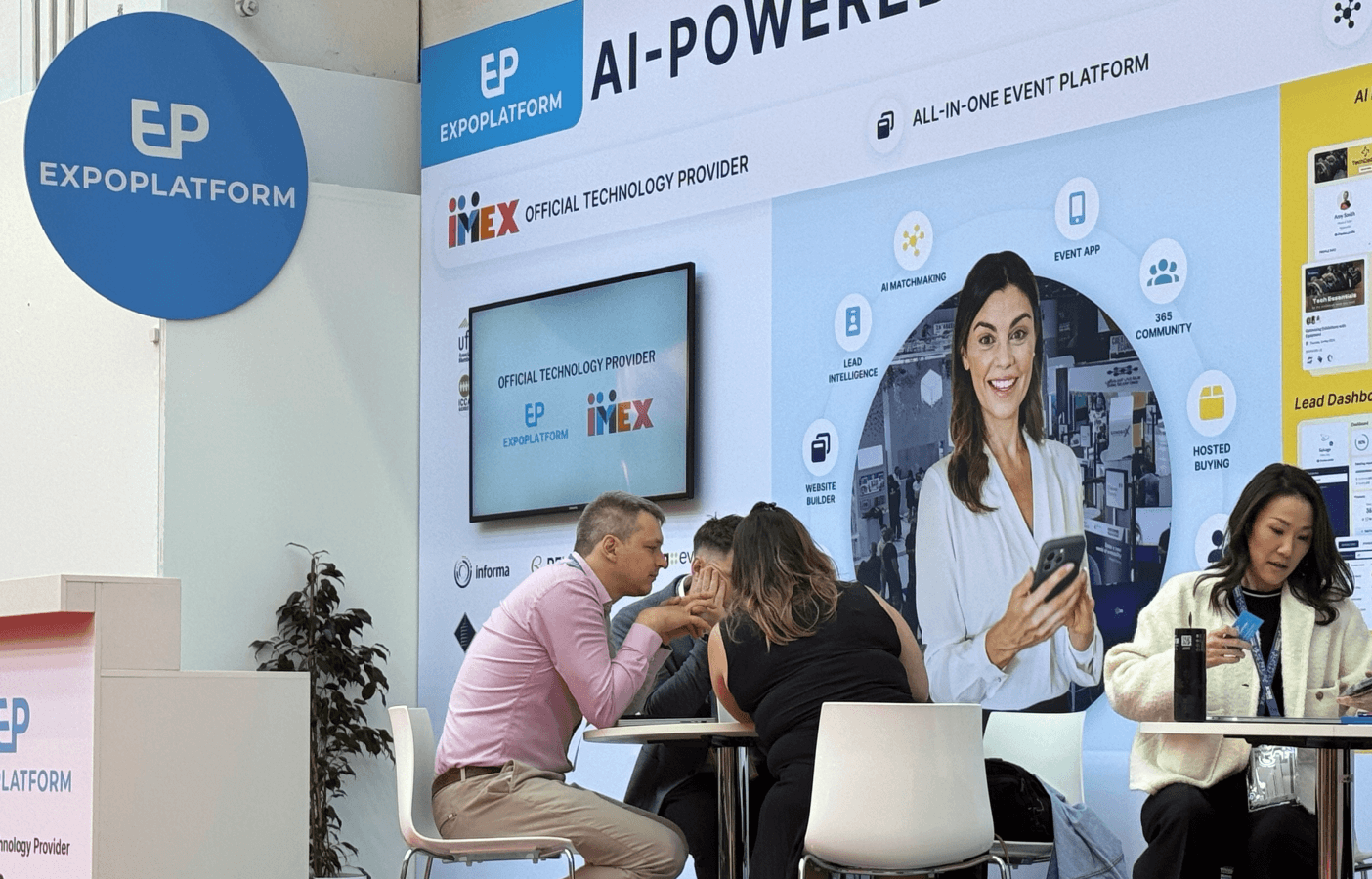
In an event landscape that demands scale, flexibility and measurable impact, ExpoPlatform positions itself as a full-service event technology partner for large trade shows, exhibitions and conferences. This article breaks down the core advantages of ExpoPlatform — the features and benefits that help organizers boost attendee engagement, simplify event operations and improve return on investment ...

Essential exhibition management features: a practical guide to scheduling, booth operations and attendee engagement
Running a successful exhibition means mastering scheduling, booth operations and how visitors engage with your event. Event professionals rely on robust exhibition-management platforms to simplify workflows, lift the attendee experience and make better use of resources. This guide walks through the core features of exhibition software, showing how each capability reduces friction, avoids common pitfalls ...