 Find out what's involved


Website for an event: essential features you need for your show
A website for an event needs a clear hero section, real-time registration with ticketing, an up-to-date agenda, speaker profiles, sponsor and exhibitor listings, mobile-responsive design and integrated payment processing. Ten essential event website features guide visitors from first click to completed registration, turning a static page into a conversion-focused tool that drives attendee sign-ups and exhibitor engagement.
Key takeaways
- Event websites serve as core marketing and ticket sales tools, not merely digital business cards.
- Effective registration pages guide visitors through a single, clear “Register” call-to-action.
- The right platform delivers polished, branded experiences even for teams working to limited budgets.
- Event websites must display current edition information prominently, so visitors never doubt the dates or relevance.
Why does your event website drive registrations?
Registration numbers depend on more than speaker lineups or catering menus. A well-built event website now functions as the central hub for communication and ticket sales, not merely a digital business card. Visitors arrive with a specific question in mind – should I attend? – and the site either answers that question in seconds or loses the sale.
Curiosity turns into commitment on pages that guide attendees clearly toward action. A cluttered or outdated site does the opposite: it creates doubt, which kills conversions. For tradeshow organizers and exhibition managers, this distinction separates campaigns that fill halls from campaigns that quietly underperform.
What makes a website for event registration actually convert?
Conversion depends on structure, not decoration. A website for an event that converts well typically includes:
- Clear event details visible immediately, including dates and location
- A direct path from landing page to registration form
- Consistent branding that signals legitimacy and current-year relevance
- Fast-loading pages that keep skimming visitors engaged
Why do organizers need dedicated event management platforms?
Building and maintaining this experience manually strains internal teams. Event management platforms exist specifically to make the exhibition process, including the website experience, more efficient. Reviews of leading event technology consistently show how the right platform features improve the overall event experience, from registration flow to on-site engagement.
Corporate event directors weighing new tools should treat the website less as a marketing afterthought and more as the primary conversion engine for the entire event.
What belongs in your hero and registration flow?
The top of an event website must answer four questions instantly: what, when, where and why attend. The hero section needs the event name, date, location and a short, compelling tagline displayed clearly above the fold. Visitors decide within seconds whether to keep scrolling or leave. Vague headlines or buried details cost registrations before the pitch even begins.
Speaker lineups and catering menus consume months of planning, yet neither determines whether someone completes registration. Attendance often comes down to something far simpler: how easily a visitor finds and clicks “Register.” A website for an event loaded with polished content still fails if the registration button hides three scrolls down.
What makes a registration call-to-action effective?
A strong call-to-action stays visible without hunting. Phrases like “Register Now” or “Get Your Ticket” belong front and center, ideally repeated at multiple points down the page. Contrast, placement and clarity matter more than clever copywriting here.
Should registration ease factor into platform selection?
Yes. Organizers evaluating event technology should treat streamlined registration as a core selection criterion, not an afterthought. Platforms built for exhibitions and tradeshows list optimized registration among the top features worth comparing before committing to a vendor.
Audit the hero-to-registration path on any website for event planning against this checklist:
- Event name, date and location visible without scrolling
- One-sentence tagline that states the value proposition
- Primary call-to-action button in a contrasting color
- Registration link repeated in header, hero and footer
- Minimal form fields to reduce drop-off during checkout
Corporate event directors and exhibition managers who audit this flow first typically see fewer abandoned sessions and stronger conversion from casual visitors to confirmed attendees.
How does a website for an event support exhibitors and sponsors?
Strong platforms give exhibitors and sponsors a structured presence before, during and after an event, not just a listing on a page. A quality provider streamlines and optimizes that experience across all three phases, turning a static directory into an active engagement tool. Sponsors gain visibility long before doors open; exhibitors gain leads long after they close.
Core listing pages matter, but leading platforms rarely stop there. The strongest exhibition platforms layer additional technology onto the base experience – matchmaking tools, lead capture, branded profile pages – each designed to deepen exhibitor and sponsor engagement rather than simply display a booth number.
What should organizers look for in an exhibitor-facing event website?
Three areas deserve close attention: directory structure, monetization options and customization controls. Organizers must weigh how easily attendees can search and filter exhibitors, how sponsors can be packaged and sold at different tiers and how much branding flexibility each exhibitor profile allows. Getting these right meets visitor needs while giving sponsors measurable value for their investment.
Does the platform provider actually matter for exhibitor tools?
Provider choice shapes what exhibitors and sponsors can access on an event website from day one. A complete guide to event management software makes clear that providers differ significantly in exhibitor and sponsor tooling, including directory depth and website capability.
Compare providers against a short list:
- Exhibitor directory search and filtering strength
- Sponsor tier packaging and monetization flexibility
- Branded, customizable exhibitor profile pages
- Lead capture and matchmaking features
Choosing on these criteria distinguishes platforms built for exhibitor growth from those offering only a basic listing page.
Which data features reveal attendee behavior?
Visitor interactions and system events tell organizers exactly how attendees move through an event website, from first click to final registration. Event data analytics stands as a cornerstone of modern business intelligence for teams assessing site performance and registration flow. Without that visibility, exhibition managers guess at what drives conversions instead of measuring it directly.
Capturing user interactions and system events on an event website transforms raw activity into insight organizers can act on immediately. A page visit, a form abandonment, a session timeout – each becomes a signal rather than noise. Tracking the right events is what separates analytics that informs decisions from analytics that just fills a dashboard.
What should organizers track first?
Effective tracking starts with three categories: visitor actions, system events and core business KPIs tied directly to performance. Registration starts and stops, session duration and drop-off points fall under visitor actions. System events capture technical signals like page load failures or checkout errors that quietly suppress conversions.
Prioritize tracking across all three:
- Visitor actions – clicks, scroll depth, registration starts and abandonment
- System events – errors, load times, checkout failures
- Core business KPIs – conversion rate, session-to-registration ratio, exhibitor sign-up completion
Why does this matter for a website for an event?
An event website succeeds or fails on measurable behavior, not assumptions. Corporate event directors who track these three categories together see the full registration journey rather than fragments of it. Organizers who monitor all three gain a complete behavioral picture; those who track only one risk missing where prospective attendees actually disengage.
Build an event website that converts
Ten elements – hero, registration, agenda, speakers, exhibitors, sponsors, mobile design, payments, analytics and automated confirmation emails – turn a website for an event from a brochure into a conversion engine. Getting them working together is what separates a show that fills its halls from one that quietly underperforms.
See how these features work on a live event website. Please get in touch and ask for a demo here.
There's more you might like

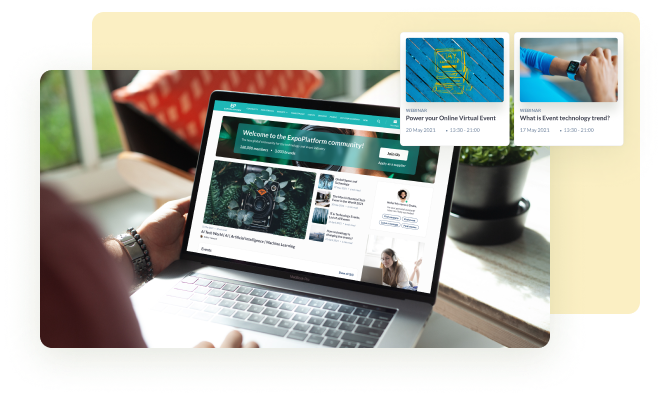
Event website features: essential tools for smooth event management and stronger attendee engagement
A well-built event website is central to running successful events and keeping attendees engaged. This guide walks through the must-have features every event site should include — helping organizers and attendees enjoy a reliable, friction-free experience. You’ll find practical coverage of core functionality, design principles, marketing approaches and analytics tools that increase an event website’s ...
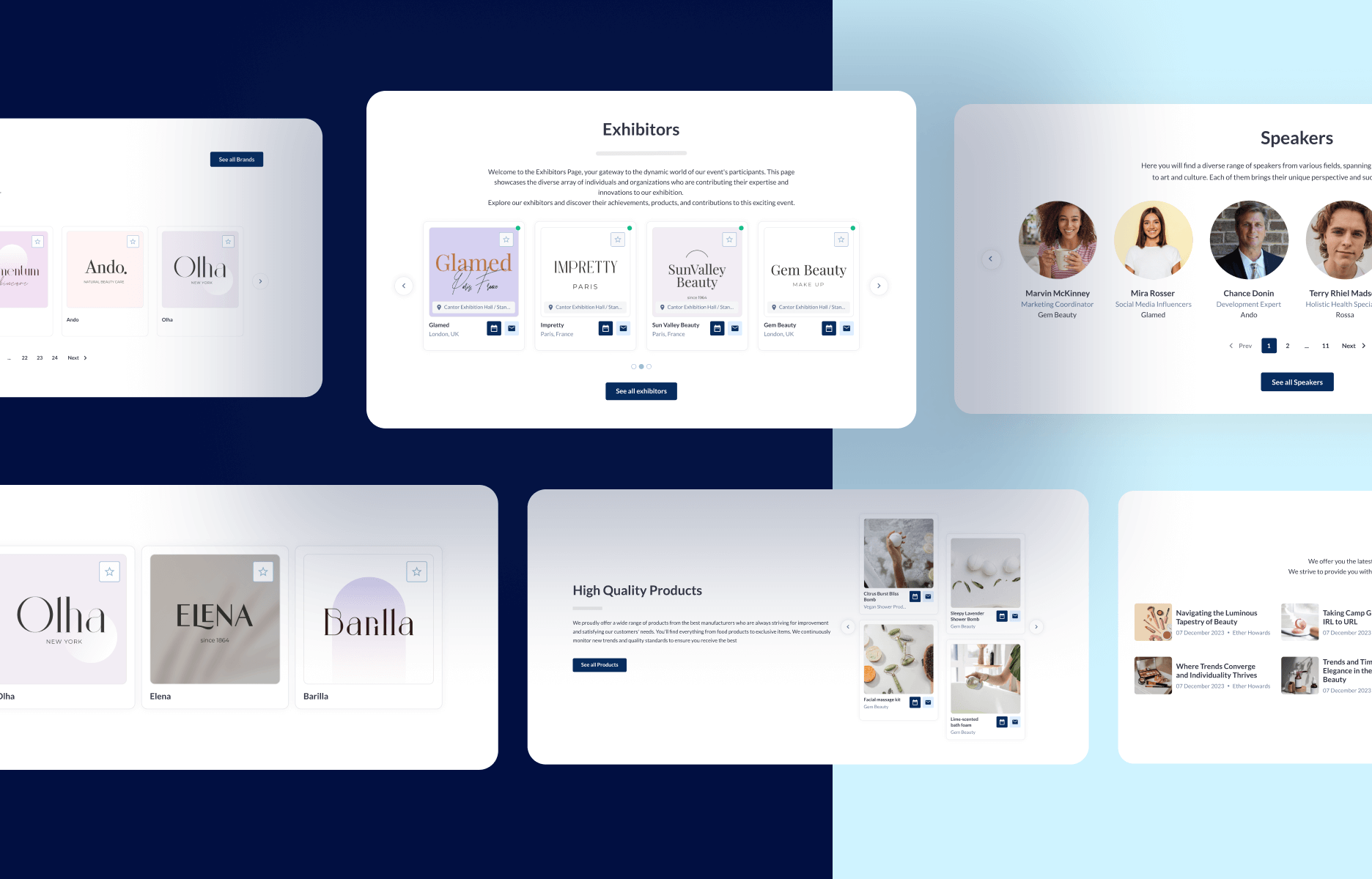
How to build a high-impact tradeshow website in 2026
Tradeshow websites serve multiple purposes. They are a bridge between buyers and exhibitors, a showcase to highlight products and brands and a comprehensive resource for event-related information. In this article, we do a deep dive on how to create a high-impact tradeshow website to get more clicks and conversions for your shows in 2024. Read ...
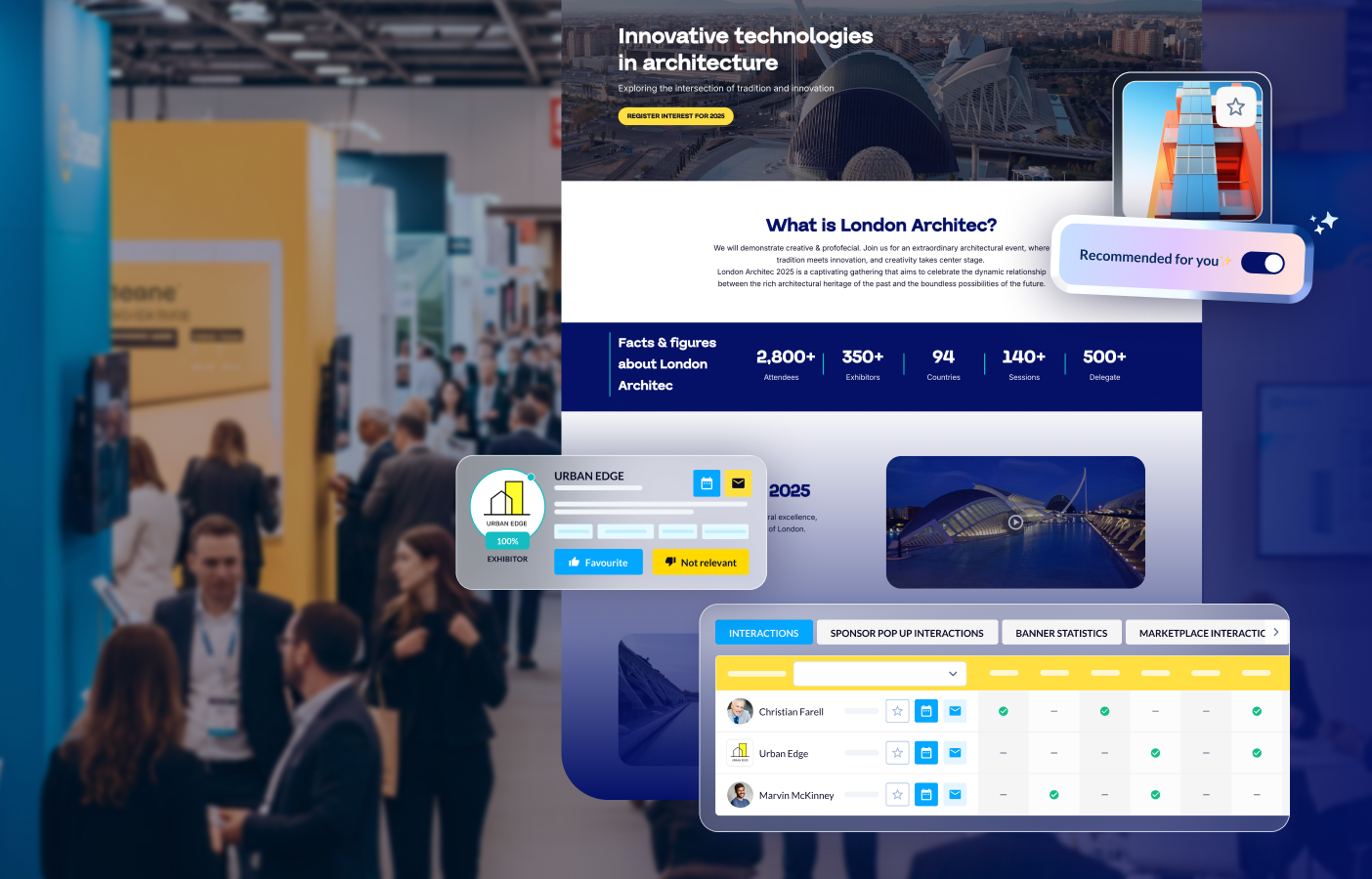
10 ways an event website fosters tradeshow success
Event websites have evolved from digital brochures to all-access information hubs. A feature-rich website now helps tradeshows facilitate buyer-seller connections and close business deals. In this article, you’ll learn the 10 ways a dedicated event website can help tradeshows succeed ⤵️ ? Download our Events Amplified ebook to learn how tools like event website and ...