 Download the Event Tech Forecast now


The end of mass events: Hello hyper-everything experiences
The era of the monolithic trade show is dead as priorities shift toward hyper-everything experiences where relevance is the goal, according to an industry expert.
Narisa Wild, chief digital officer at Clarion Events North America, argues that being able to synthesize complex behavioral signals will now separate innovators from followers.
Clarion is among an elite group of organizers proving the future of events lies in the ability to listen to data – largely by moving away from generic large-scale experiences and focusing on hyper-specific, relevant and contextualized interactions.
She said: “The mass-produced experience is becoming less and less important.
“People want that niche focused, hyper specific, hyper relevant, hyper contextualized, hyper personalized experience. In a world of one to many, people crave one to one experiences.
“We’re using the data to actually create more of these custom, niche experiences within our events versus just doing large scale events.”
Narisa – an expert contributor to the Event Tech Forecast 2026 – argues the broad-brush approach to event planning is failing to move the needle because time has become the world’s most precious commodity.
It was argued that the industry must pivot toward “events within events” by using digital information to carve out niche experiences that feel bespoke to the individual attendee.
Findings from the Event Tech Forecast 2026 show data collection and analytics as the top opportunity for 2026, with 82% of respondents citing this area.
Key to making this work is having consistent and clear information to work with.
Meanwhile, personalization of experiences was also a high priority for 76% of organizers.

Clarion is responding to what the data says the audience actually wants by hosting summits and customized offsite experiences in the framework of a major event.
This represents a fundamental change in how large-scale trade shows are programmed.
Narisa – who is an expert contributor to the Event Tech Forecast added: “We’re using different signals and touchpoints across the portfolio of an event, which is more than just the event itself, to tell us what customers are looking for.”
Moving beyond the registration form
Reliance on the traditional registration form was highlighted as the most significant hurdle for the modern organizer.
This is because the data set can often be irrelevant, static and occasionally inaccurate.
Narisa’s strategy to fix this involves stitching together a journey that begins months before a visitor ever sets foot on the show floor.
She said: “What we’re doing is we imagine the email address or certain signals are the glue.
“What other signals do we have about that customer based on the journey they’re taking in the Clarion ecosystem? It’s stitching all of that together to give a very clear, robust view.”
Registration and check-in was found to be the most essential feature for organizers in the Event Tech Forecast, with 76% of respondents citing this.
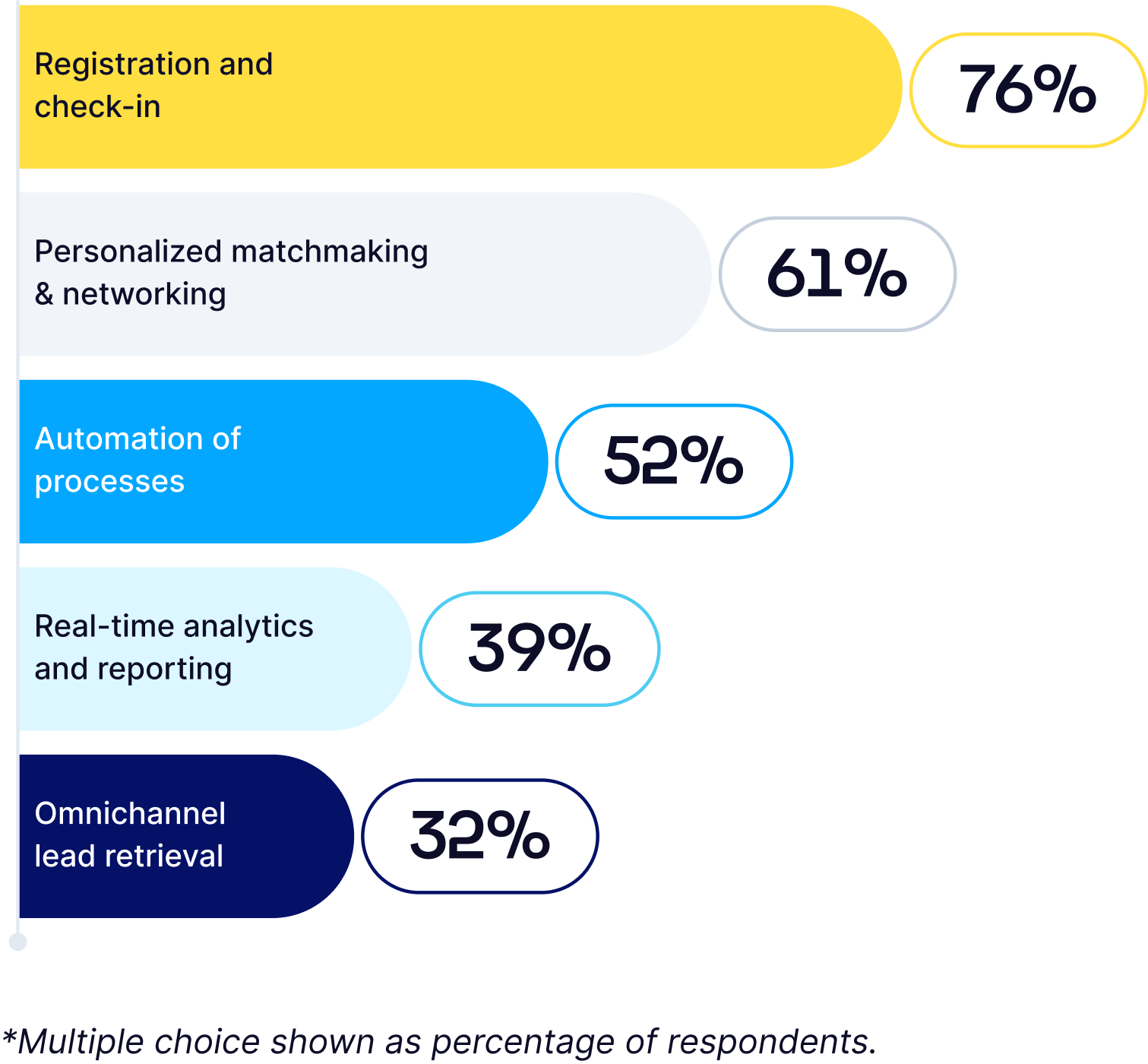 It is no surprise that this was closely followed by personalized matchmaking and networking, with 61% also choosing it.
Clarion builds a 360-degree view of the customer by layering signals from media websites, marketing services and learning management solutions.
Organizers can move past the limited pieces of information typically gathered from a badge scan by using this ecosystem approach.
This provides exhibitors with a fuller picture of who a lead is and what they actually need.
The instant gratification of data
The demand for immediate value in exchange for personal information is among the most pressing trends heading into 2026.
Participants now expect an instant reciprocal value benefit – where every piece of information is met with an immediate, real-time return in value.
She said: “What’s going to differentiate and distinguish the innovators and the followers is the ability to create that seamless experience for your customers so you’re able to transform something that feels stitched up into something that is smooth and seamless.
“As a result of that, it’s fast, it’s thoughtful and people give honest answers because they see that immediate benefit.
“Real-time demonstration of value, the ability to prioritize connections, all of that becomes a priority in terms of how you succeed within an event.
“The last thing is the ability to create transparency for your customers – to be really upfront in how you’re presenting information, to provide it in real time and to provide it in a way that is transparent.”
Practical implementation
To move from theory to a “seamless” reality, organizers should focus on several tactical shifts in their digital strategy:
- Move beyond the registration dump: Instead of asking a “myriad of questions” months in advance, transition to a “progressive profiling” model where you ask only what is essential for the immediate next step in the user journey.
- Prioritize real-time connection over lists: Use technology to move past simple directories – success will be measured by an AI agent’s ability to connect threads across different platforms to foster true human connection.
- Establish a value for data exchange: Every data request should have a clear “What’s in it for me?” benefit for the user, ensuring higher data accuracy and deeper trust.
- Adopt transparent information architecture”: Provide information and value demonstrations in real time so that participants have absolute clarity on the ROI they are deriving as the event unfolds.
- Focus on assimilation: The smartest technical investment is a system capable of assimilating data from “a myriad of sources” to provide a singular, hyper-relevant experience for each specific customer and multi-layered behavioral signals of intent.
Smart organizers are beginning to ask the right questions at the right time rather than asking a myriad of questions all at once and hoping for the best.
This requires a transformation away from the traditional way of managing registration.
The evolution of the data marketeer
The human element of the industry must also evolve as technology becomes more integrated, Narisa has argued.
She has observed a complete shift in job titles and required skill sets – with the data marketing specialist of 2026 now replacing the marketing manager of 2020.
Narisa said: “Marketeers are transforming. What we’re seeing is a shift toward answer engine optimization specialists, agentic search expertise and AI agent solution creators.
“They are the connectors creating the pathways to drive efficiencies.”
Organizers must upskill their internal teams to think about nurturing and exciting customers year-round if they want to grow digital revenue.
Narisa believes this revenue should comfortably exceed the common 10% threshold.
AI as a productive team member
Artificial Intelligence is perhaps the most discussed – and misunderstood – tool in the organizer’s kit.
Narisa is quick to refute the idea that AI is a replacement for human creativity, instead viewing it instead as a team player that handles the mechanical so humans can handle the emotional.
A total of 52% of eventprofs told the Event Tech Forecast highlighted automation of processes as a major focus for technology.
She said: “AI’s role is not to replace humans – it’s rather to do the things that allow humans to move faster, to be better and to be more efficient.
“Consumers are becoming very savvy. They can see when something is written by an AI agent. What it lacks is heart, soul and context.”
Almost two thirds (63%) of organizations report an internal efficiency improvement between 0-24% due to AI adoption.
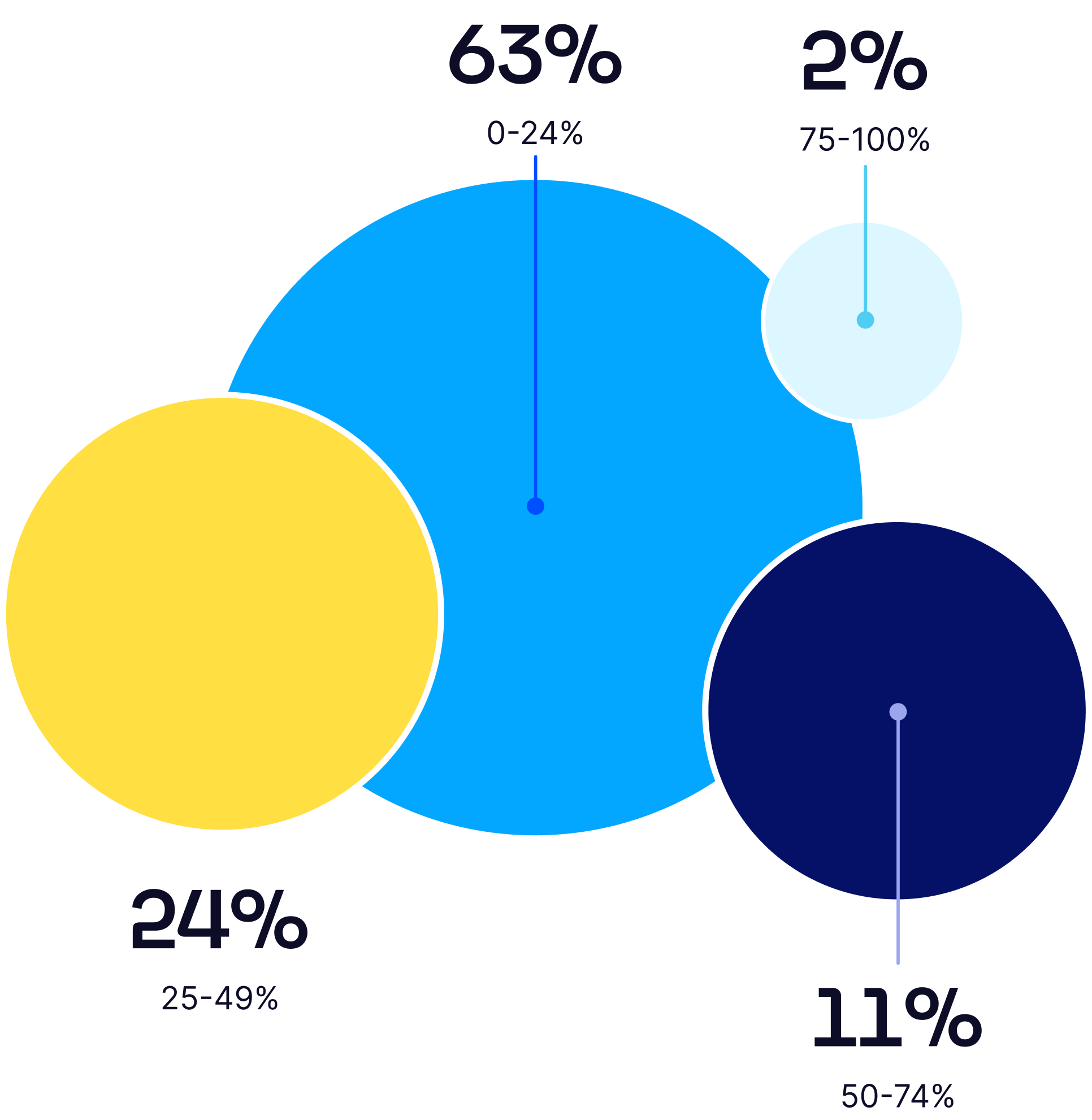
Meanwhile 24% are seeing gains of 25-49% and a smaller segment of 11% reports significant efficiency jumps of 50-74%.
Clarion uses AI for automation, scheduling and AB testing among other tasks to create a seamless journey for the customer.
This shows how efficiency does not have to sacrifice the “genuine emotion” of human connection.
There's more you might like
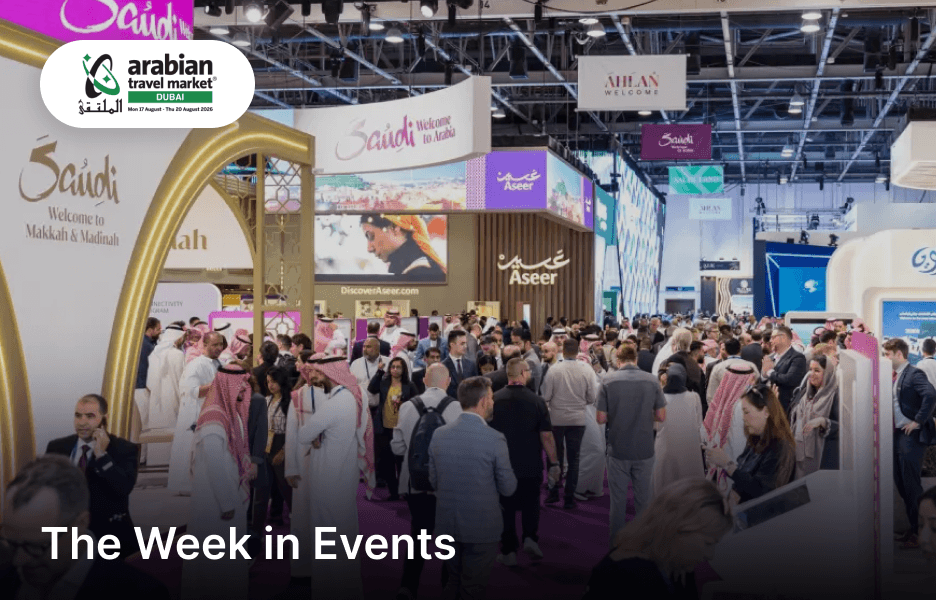
ATM 2026 rescheduled amid safety concerns
Leading organizer RX has announced the rescheduling of Arabian Travel Market 2026. The show has been moved from May to August, where Dubai World Trade Centre will remain the host venue. This move comes amid concerns over the safety of visitors and partners. Your other main industry stories include: CloserStill Media announces the launch of ...
Informa reports record revenue and adjusted operating profit
Leading B2B event organizer Informa has reported more than £4 billion in record revenue for 2025. The company also revealed an adjusted operating profit of almost £1.14 million. This has led to double-digit adjusted earnings-per-share growth for the fifth consecutive year. Your other top stories include: RX appoints its new global head of corporate communications ...
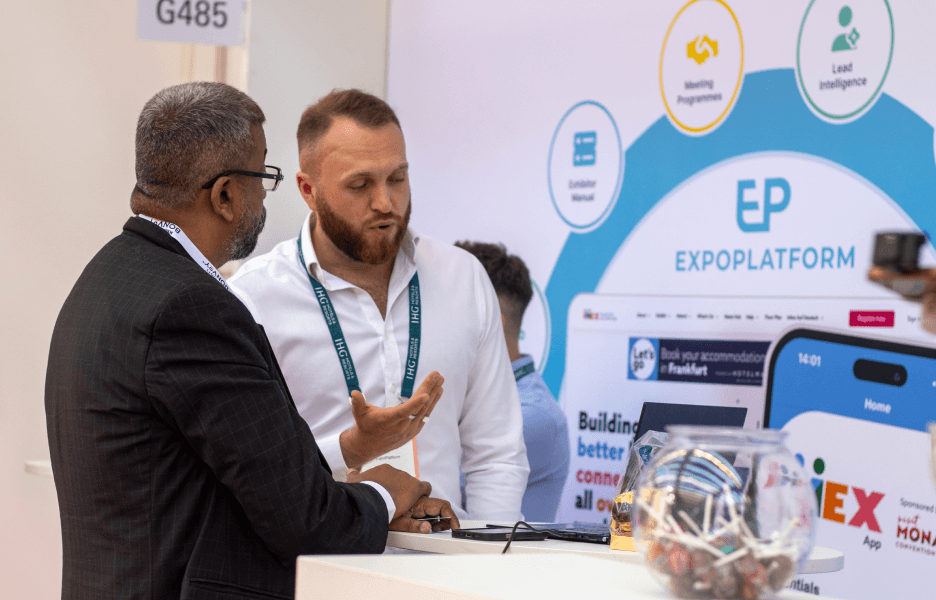
Trade show lead capture: what are the key attributes?
The choice of trade show lead capture technology directly shapes how well prospects convert into opportunities. This article breaks down the core features of lead capture systems, answering the common questions: You’ll learn which attributes make lead capture effective, how event lead management tracks and nurtures prospects, and how privacy rules influence these tools—so you ...