 Find out what's involved



Top tips for efficient event planning in Ramadan
Ramadan is a month of reflection, prayer and fasting for Muslims around the world.
For event organizers who fast from dawn to dusk during this month, their task is cut out.
That’s because they need to ensure they are on track to deliver a successful show while also fulfilling their religious obligations.
Here are some tips and ideas to make your Ramadan experience more productive:
#1 Plan ahead ⏯

Ramadan is a busy time, so it is crucial to plan the details of your event early.
This will give you time to figure out logistics like booking the venue, hiring vendors as well as marketing your event effectively.
Plan your event schedule to avoid overlapping with Iftar or Taraweeh prayers – for yourself and your audience.
#2 Delegate smart ?

Delegate tasks to your event team – with clear time-bound objectives.
This reduces the workload but also charts out a clear path to bring together different moving parts of the show.
Communicate your expectations clearly so you don’t have to waste energy on any possible misunderstandings.
#3 Outsource tasks ?
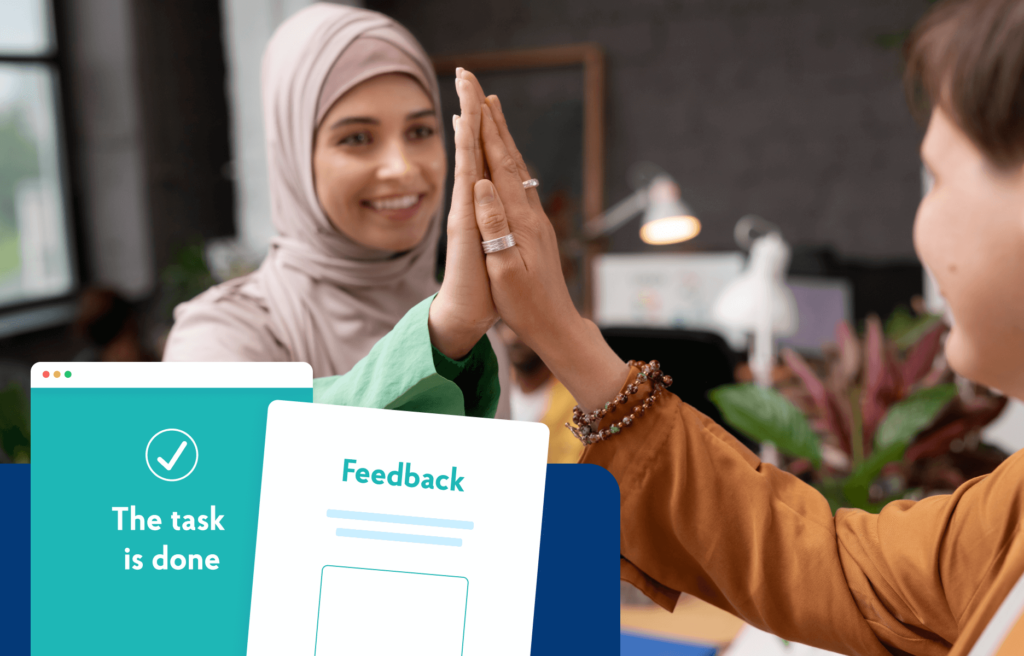
Outsourcing can streamline event planning.
Delegate tasks to specialized vendors who concentrate on specific responsibilities for a seamless outcome.
Shrewd allocation saves time and ensures optimal utilization.
Moreover, third-party providers usually have experts and efficiency that in-house teams might lack.
#4 Prioritize self-care ?

During Ramadan, it is essential to take care of yourself to be mentally and physically fit.
Get enough rest and eat healthy meals during Suhoor and Iftaar – you will find yourself better equipped to handle the demands of event planning.
Avoid overexerting yourself and take breaks when needed to avoid stress and burnout.
This ensures you are well-rested and improves your productivity and creativity.
#5 Use event tech tools ?
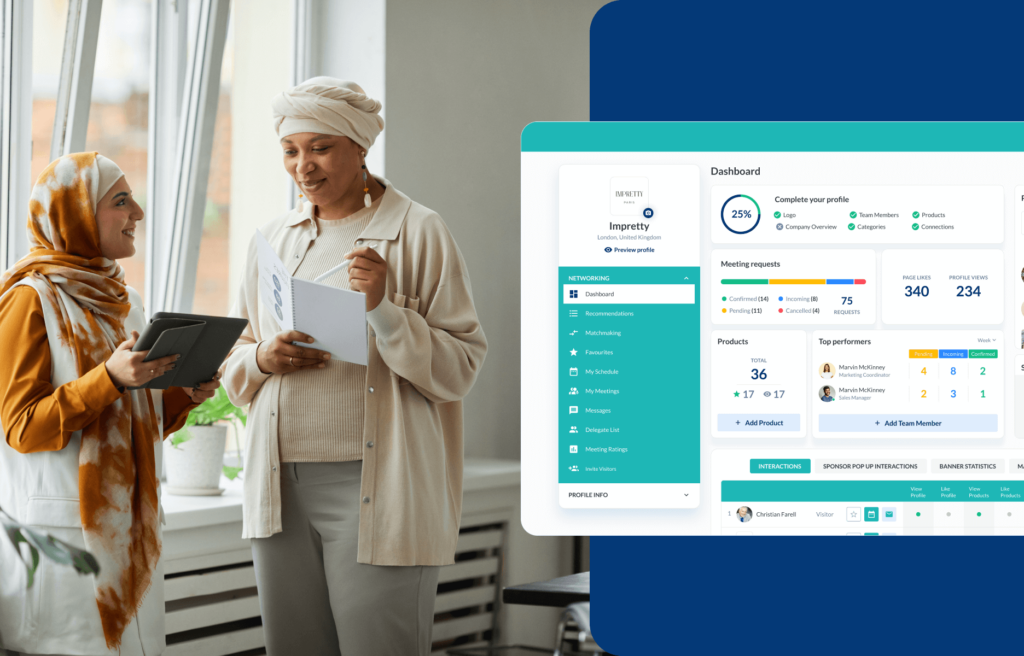
Event tech tools are an effective way to save time and plan shows more efficiently during Ramadan.
Many manual processes can be automated through solutions like online registration, email marketing, exhibitor manual, AI-powered matchmaking, mobile apps and many more.
From registering attendees and sending automated emails to onboarding exhibitors and driving networking – these tools massively cut down on the time and effort needed to create a unique attendee experience.
In addition, the data analytics mapped to these tools give a granular view of the attendee’s journey during the event.
These provide crucial insights to exhibitors, helping boost event ROI.
Also read ? How automation can reduce event stress
We hope you enjoyed reading this article and found it useful. At ExpoPlatform, we want to help you build better events and communities. Please get in touch and ask for a demo here. Thank you ?
There's more you might like

Messe Frankfurt nears completion of digital transformation
Messe Frankfurt is approaching the completion of a major digital transformation as part of one of the most ambitious initiatives in the company’s history. Project Progress represents a strategic shift from legacy, on-premise systems to a fully integrated, cloud-based ecosystem designed to support a more data-driven and scalable future. Chris Pendley, Director of Data & ...
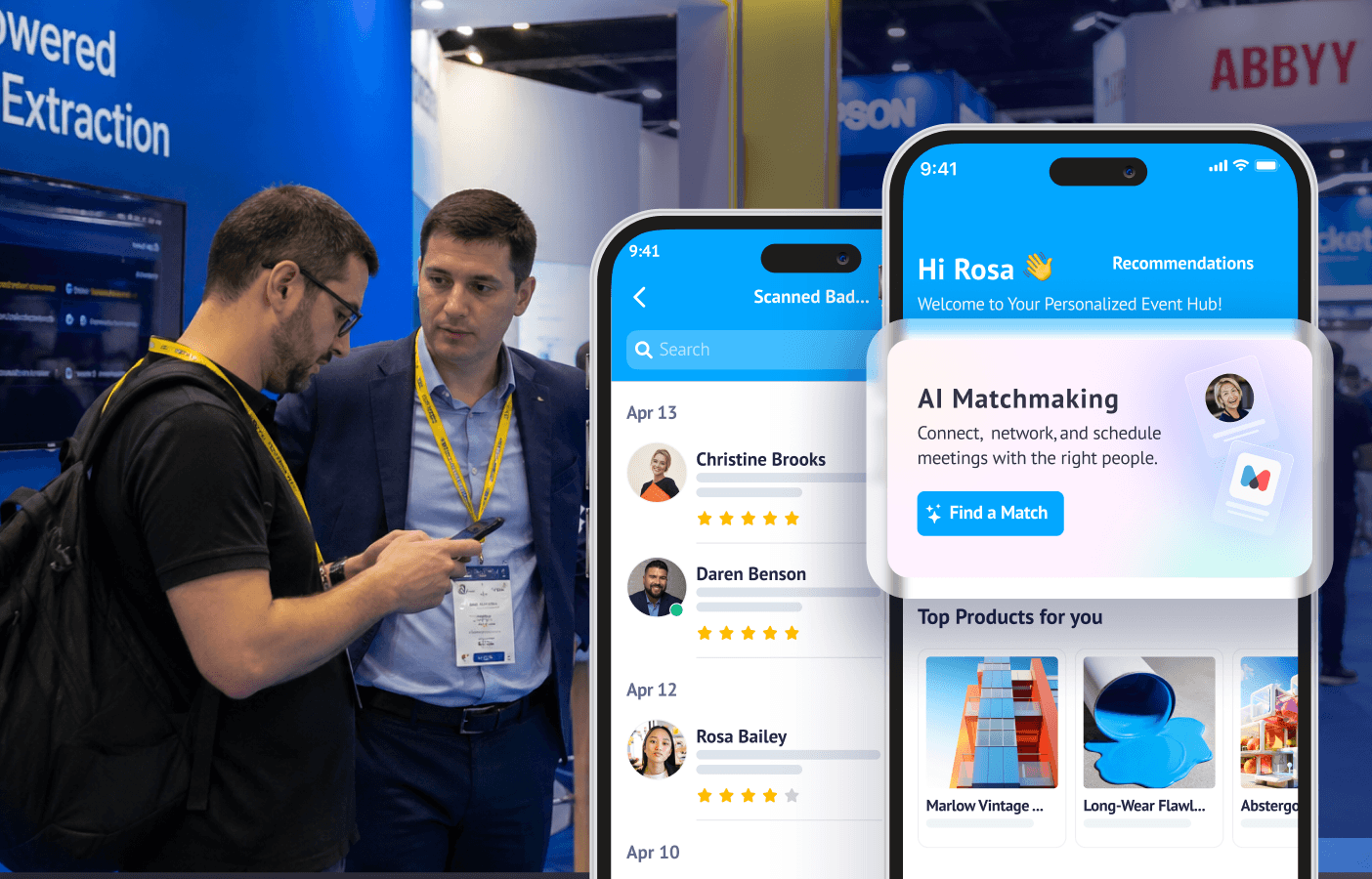
Event personalization: how to meet demand for custom experiences
Event personalization has steadily moved up on the list of priorities for event organizers. In a world of individual algorithms and instant gratification – attendee expectations have grown. They want every event to enable them to meet their goals without having to struggle or rely on chance. The pressure is on organizers to provide the ...
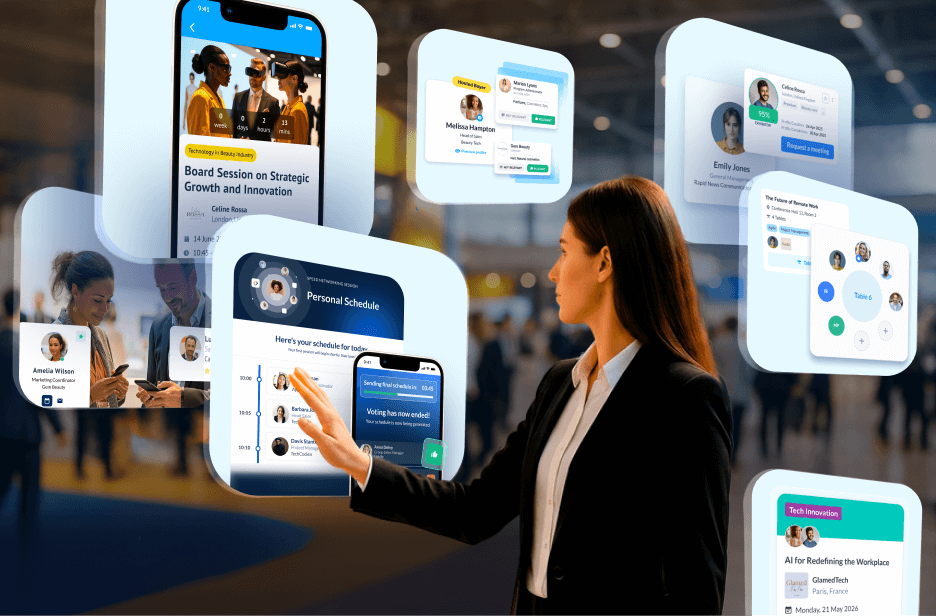
What are the best meeting formats for events?
Meetings are the beating heart of any event. Formats may differ – from high-speed networking to curated board sessions – but their success depends on one thing. That is meaningful human connection, enhanced by smart technology. Here’s how each meeting format is evolving into a smarter and more rewarding experience for organizers, exhibitors and attendees ...