 Find out what's involved


B2B sales journey more omnichannel than ever
The number of channels now used in B2B sales has doubled since 2016, figures show.
Findings from McKinsey & Co reveal buyers are more comfortable than ever using digital and online methods for purchasing.
They are found to use up to 10 channels as part of their buying journey – which is double the number of channels five years ago and up from seven channels in 2019.
A previous study from McKinsey shows 94% of B2B decisionmakers believe an omnichannel approach is as effective or more than before Covid-19.
What’s behind the figures?
Online consumption was a custom experience well before the pandemic hit.
The private lives of buyers saw seamless experiences through platforms like Amazon and Uber – why would they not want the same in business?
Meanwhile, the imposition of lockdown measures saw a rapid move towards digital solutions.
Buyers and sellers turned to online channels, with their popularity now expected to remain high in the future.

What does it mean for organisers?
Online marketplaces are the perfect example of the networked business which have risen to dominate the web.
There are a number of reasons why marketplaces are an attractive line of business:
- Network effects: the more users you get, the more useful/cheap your product becomes, the more users you get – Uber vs. taxis.
- Barrier to entry: Once they have a strong network effect, it becomes increasingly difficult to enter or replicate the marketplace – Airbnb vs. hotels. Ecoystems of users are the new source of competitive advantage and market dominance.
- No inventory means they are can be cheaper to operate easier to scale and easier to pivot.
For event organisers, online marketplaces come with some specific advantages:
- Audience growth. Your brand can become embedded into the workflows of buyers year-round by providing an essential tool for finding and comparing products and services, which can significantly grow your audiences.
- Revenue growth. Bundling recurring revenue subscriptions to a marketplace alongside exhibiting at an event is an opportunity to increase the value of exhibiting, gives suppliers more leads and ROI.
- Brand protection. Most importantly, having a marketplace in your portfolio presents the opportunity for forward-thinking organisers to embed themselves in the transactions between our visitors and exhibitor audiences outside the confines of an exhibition.
We hope you enjoyed reading this article and found it useful. At ExpoPlatform, we want to help you build better events and communities. Please get in touch and ask for a demo here. Thank you.
There's more you might like
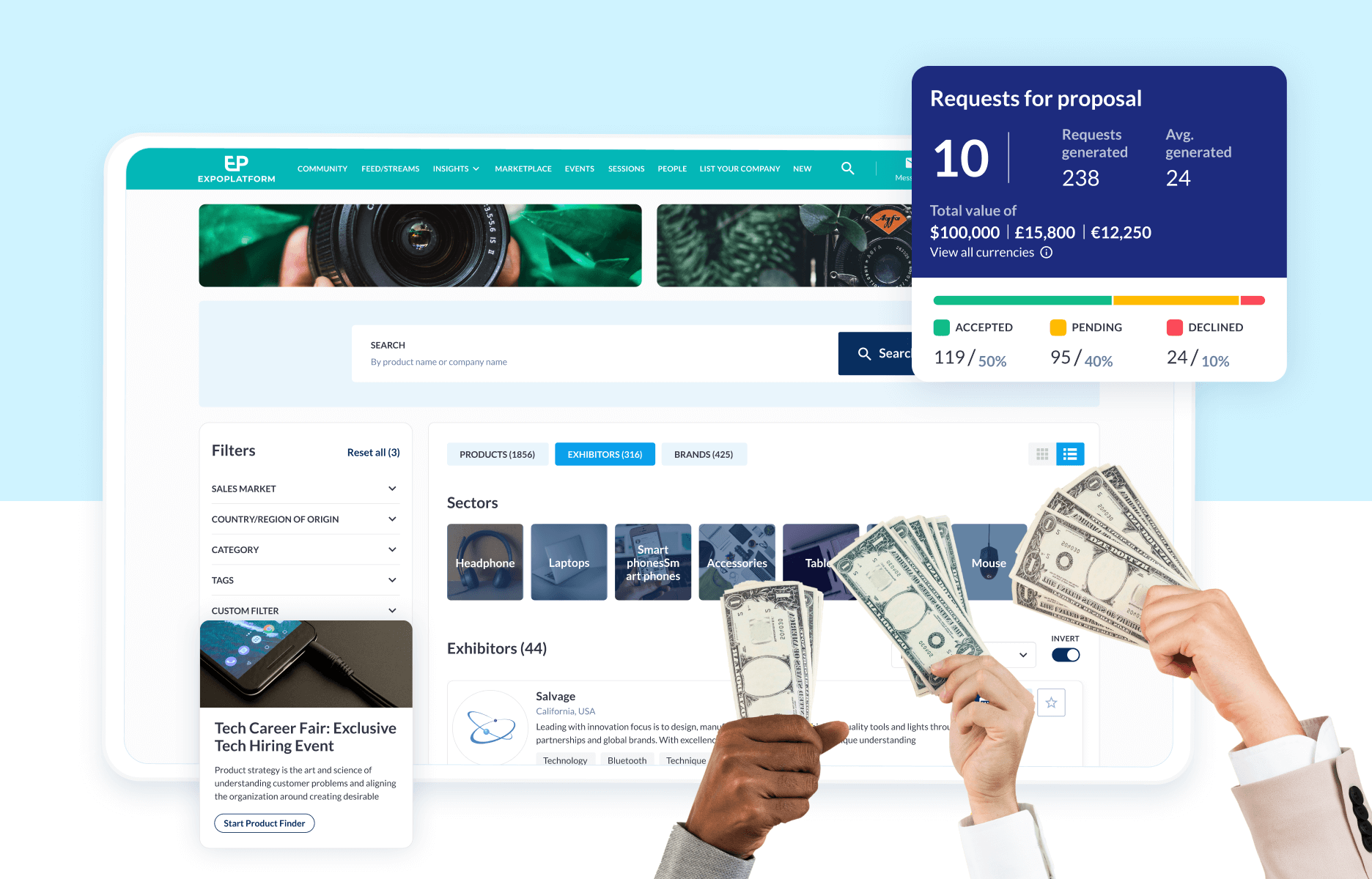
How to make your events more profitable with 365 marketplaces
Online marketplaces are fast becoming the go-to models for tradeshow organizers to get more buy-ins for their businesses and drive revenue year-round. According to Research and Markets, the global B2B e-commerce platform market value stood at $8,916.6 million in 2022 and is expected to grow to around $10,059mn this year. It is further projected to ...
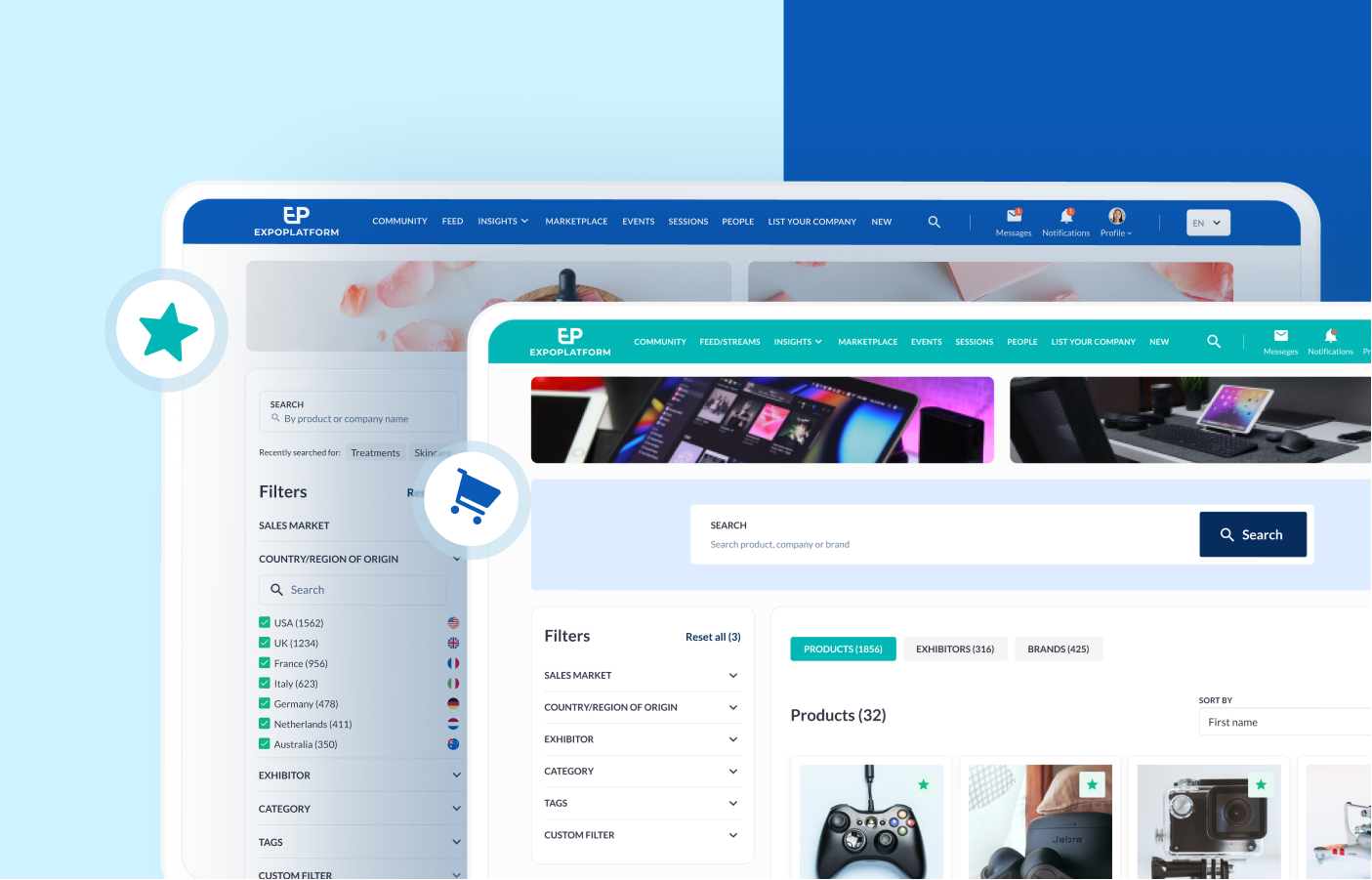
10 ways online marketplaces are a bonus for eventprofs
The rise of online marketplaces has been a boon for B2B events – allowing organisers to widen their connections beyond the limits of in-person shows. Always online ecommerce sites help buyers explore new products around the year, compare prices and get the best deals for their purchase. Exhibitors can use these platforms as a convenient ...
Asia-Pacific leads way in online retail spending
Asia-Pacific has emerged as the leading market for online retail spending, new research shows. The Wunderman Thompson Commerce’s Future Shopper Report 2022 said shows 57% of global spending is now done through digital channels. However, the study found the most significant shift has been witnessed in the Asia-Pacific region. Figures show online spending in China ...