 Find out what's involved



2020 Event Industry Recap – The Year Events Changed Forever
We have finally reached the end of 2020 – congrats for making it through a difficult year. As work winds down and with holidays around the corner, it’s time to relax and look back at how the past 12 months panned out for the event industry.
In a year beset by cancellations and postponements of physical events due to COVID-19 challenges, event firms had to reassess their strategies and include virtual elements in their conferences, exhibitions and trade shows to keep their business running. Who can forget the cancellation of events including the Geneva Motor Show; or the announcement halfway through the year that Messe Frankfurt – one of the busiest venues in Europe – expected no events until later in 2021; or the crowds returning so soon to events in Shanghai?
Despite the initial hiccups and hesitation, the virtual format that many events adopted was positively received by participants. As the new year closes in, it is now considered an integral part of a successful event solution built around hybrid and online events.
Let’s rewind the clock back to the start of 2020 and see how we got here:
Adjusting to the pandemic – from initial shock to making the leap to virtual
With stringent government regulations in place and public reluctance to meet face-to-face, the move to the virtual space was a foregone conclusion for many event organisers. It was crucial to get their schedule back on track and going digital was a necessary step to literally ‘insuring’ their event’s future.  The situation was tougher for those handling exhibitions and trade shows, and many pondered how to replicate the true value of their events online. To ensure the success of their virtual events, it was necessary to convince the exhibitors and sponsors that they could benefit from a large-scale event like a virtual trade show.
Solving the virtual events puzzle
Merely making the shift to virtual events wasn’t enough. While it became easier for anyone across the globe to attend an event, questions lingered around attendee engagement and return on investment (ROI) for the stakeholders. To figure out this puzzle, it was necessary to first identify the key performance indicators (KPIs) that would work in the virtual space.
Organising entire events online also meant the increased risk of screen fatigue and distracted attendees. Most event organisers we worked with focused on the importance of differentiating their content strategy from their competitors as well as other tactics like nurturing an online community to promote their events.
Scepticism gives way to increased traction and trust
Many sponsors and exhibitors were initially sceptical of the value virtual exhibitions and trade shows offered. Compared to in-person events, virtual events didn’t seem like viable replacements to capture leads or increase revenue. However, as online meetings gained more traction, the value proposition became more evident. For instance, it was easier to network with people at online events without having to spend a fortune. Also, the fact that all event activity could be measured digitally allowed organisers to explore different lead generation ideas and build their customer base.
In addition, sponsors and exhibitors had newer avenues to increase their top line through virtual event technology platforms, which offered numerous options to monetise their events and maximise revenue and sponsorship.
What lies ahead for events in 2021?
With a COVID-19 vaccine being rolled out gradually, the jury is still out on the future of events. Many industry experts claim virtual is still an evolving field and will likely complement in-person interactions in 2021, giving rise to more hybrid events. While recovery from the pandemic might be a slow, drawn-out process, the irony is that it has accelerated the path of the event industry towards a more digital and connected future.

There's more you might like
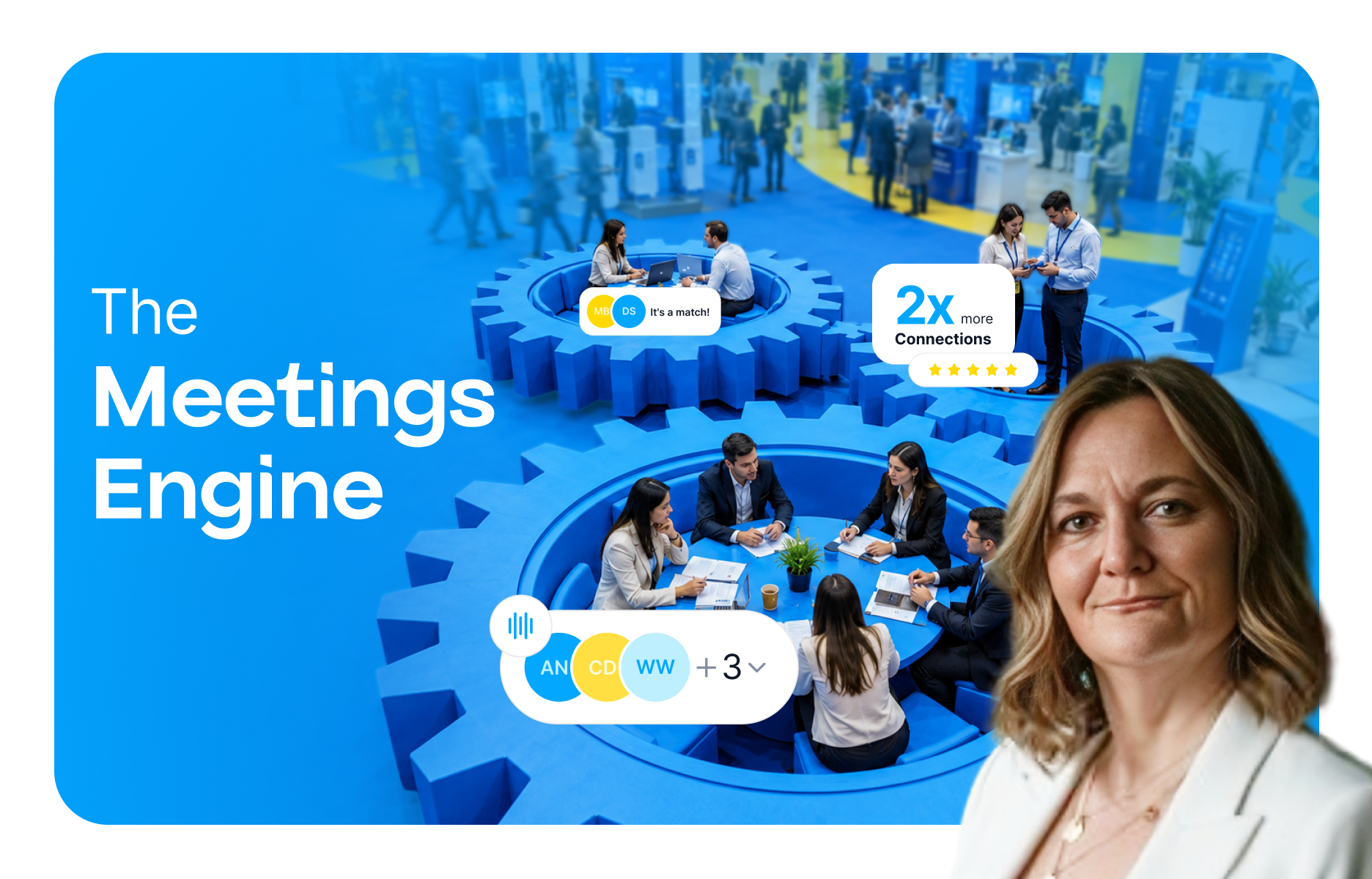
Cost per meeting – the number organisers can finally put next to Google
Footfall is no longer a number organisers can sell against digital channels, according to an events leader. Sharon Roessen, COO of Terrapinn, argues that the meeting is the only unit of event value that produces a figure a marketing director can compare with anything else they buy. Terrapinn runs around 90 events a year – ...

The evolving exhibitor playbook: why businesses have moved beyond the booth
The exhibitor strategy has remained relatively straightforward for decades. They invest in a stand, attract attendees and hope that leads convert into real opportunities. That model is now obsolete and the exhibitor approach to events has fundamentally changed. In the following guide we will explore: What was the traditional exhibitor approach to events and why ...

Jordan Yeates joins ExpoPlatform in new role
Jordan Yeates has joined event technology provider ExpoPlatform as its new Director of Engagement and Commercialisation. The appointment represents a significant step forward in the company’s goal to help clients elevate their event experiences and maximise digital ROI. Jordan makes the transition to the technology provider from major event organiser IMEX Group, where he previously ...