 Download the Event Tech Forecast now



5 Virtual Event KPIs to Measure the Success of Online Exhibitions
The success of virtual exhibitions depends on aligning your event goals with the business goals of your exhibitors, sponsors, and attendees. Identifying the key performance indicators (KPIs) for event coordinators and organisers can ensure real-time tracking of these goals and assessing the return on investment.
With virtual events opening doors to anyone with an internet connection, the KPIs have evolved from mere registration and attendance statistics to the real demonstrable value your online trade show provides. Here are some crucial metrics to measure your virtual event’s success:
1. KPIs for Audience Engagement
Engagement has become a vital measurement in the virtual environment. A poorly structured virtual event with fatiguing content can be identified with lower time-spent in each session, and lesser attendee participation in Q&A sessions, live polls and other activities like quizzes and contests. Virtual event success metrics like total chat volume and messages sent can also reflect the level of audience engagement at the exhibition and whether the content and conversations were appealing enough.

2. KPIs for Brand Visibility
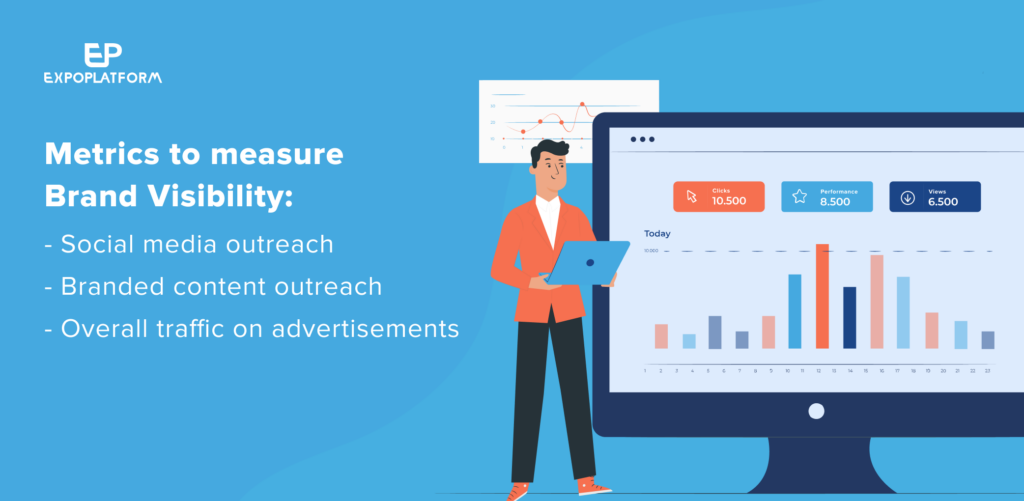
Another major objective for your sponsors and exhibitors at virtual exhibitions is brand visibility and awareness. Using social listening tools, you can track the overall social media engagement (shares, mentions, likes, retweets, follower count). Another indicator can be the total reach of branded and sponsored content like emailers, sessions and virtual gift coupons. Tracking web search and direct traffic numbers on sponsors’ profile pages, banners and video ads also gives a clear idea of brand outreach.
3. KPIs for Lead Generation
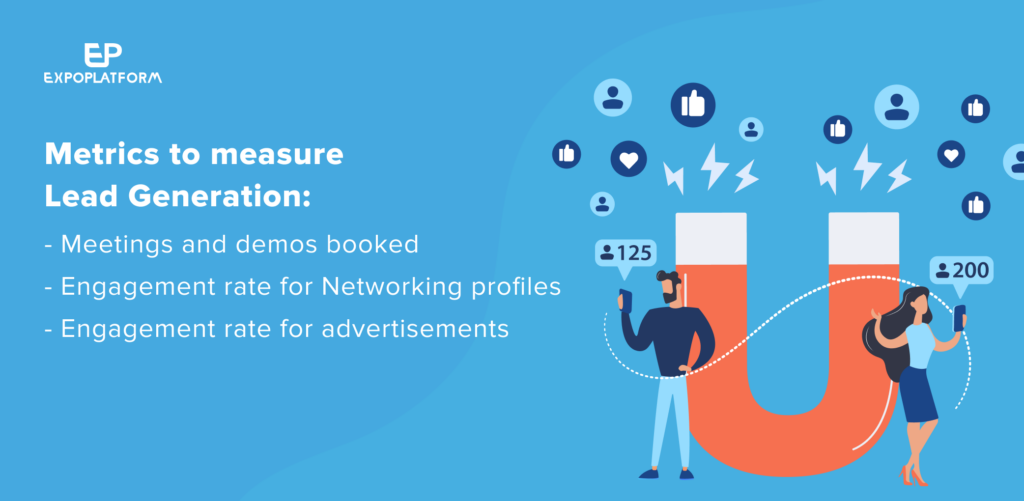
For potentially transactional events like exhibitions and trade shows, quality leads are perhaps the clearest indicator of success. Key metrics to evaluate the success of lead-generation activities are the number of meetings or demo appointments requested, the average meeting time and the average rating of those meetings. The total number of people engaging with networking profiles, banner ads, and promotional content through clicks, bookmarks, messages, visits or video views also helps qualify better leads.
4. KPIs for Knowledge Sharing
High engagement with sponsor and exhibitor content is another key indicator of the virtual event’s success. This can be determined by the number of visits to the content hub, total downloads of company brochures, media, information and publications, and attendee requests to access premium content. You can also track how many attendees are registering for training sessions like webinars and live workshops, or have requested access to digital libraries and continuing education stores.

5. KPIs for Overall Satisfaction
A simple way to gauge the success of your event is to just ask your attendees, exhibitors and sponsors through post-event surveys and feedback. These satisfaction surveys can include questions about their experience with different sessions, virtual meetings, online navigation and whether the live stream worked smoothly. Based on their responses you can come up with a Net Promoter Score (NPS), identifying which participants are most likely to return to the next edition of the event and recommend it to their peers and colleagues.

Conclusion
The success of virtual exhibitions and trade shows ultimately depends on how much ROI they generate for their exhibitors and sponsors. Using the KPIs mentioned above, you can gather insight from your data and improve your next event to help the audience derive greater value from their investment.

There's more you might like

ATM 2026 rescheduled amid safety concerns
Leading organizer RX has announced the rescheduling of Arabian Travel Market 2026. The show has been moved from May to August, where Dubai World Trade Centre will remain the host venue. This move comes amid concerns over the safety of visitors and partners. Your other main industry stories include: CloserStill Media announces the launch of ...

Informa reports record revenue and adjusted operating profit
Leading B2B event organizer Informa has reported more than £4 billion in record revenue for 2025. The company also revealed an adjusted operating profit of almost £1.14 million. This has led to double-digit adjusted earnings-per-share growth for the fifth consecutive year. Your other top stories include: RX appoints its new global head of corporate communications ...

Trade show lead capture: what are the key attributes?
The choice of trade show lead capture technology directly shapes how well prospects convert into opportunities. This article breaks down the core features of lead capture systems, answering the common questions: You’ll learn which attributes make lead capture effective, how event lead management tracks and nurtures prospects, and how privacy rules influence these tools—so you ...